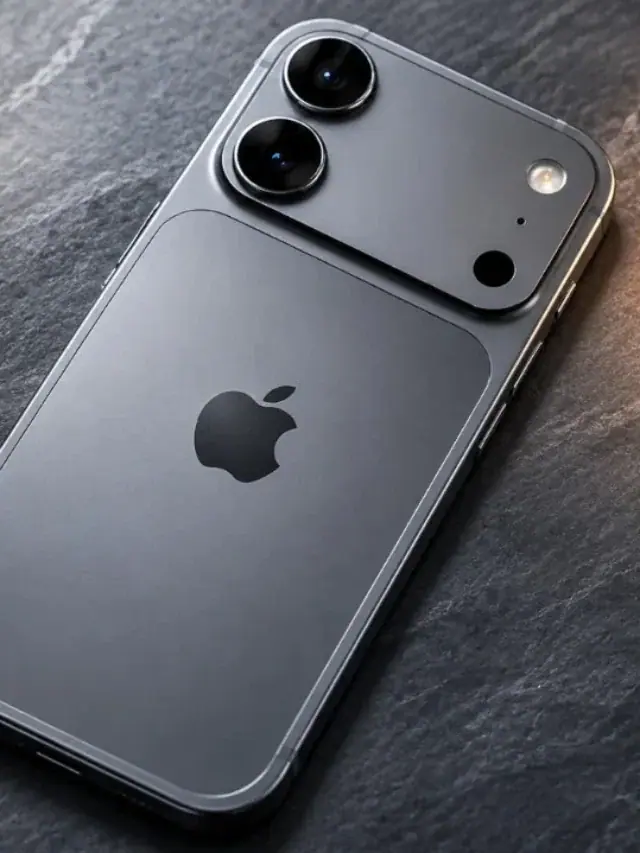
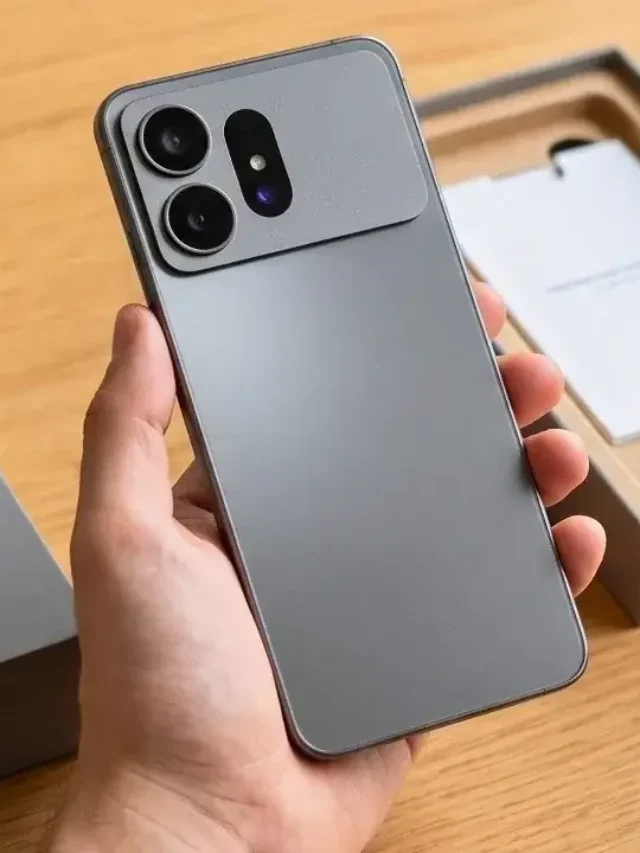
Fresh Apple iPhone 18e leaks reveal a shocking hardware twist that pairs a 2nm A20 chip with a massive battery.
- Flagship 2nm Silicon: Supply chain reports indicate the iPhone 18e will run on a binned Apple A20 processor built on TSMC’s 2nm process.
- Pro-Beating Battery Cell: Leaked X-ray scans expose a 4,430mAh battery, outsizing both the 4,005mAh iPhone 17e and the 4,056mAh iPhone 18 Pro.
- Bigger Display & Selfie Camera: The entry-level model could jump to a 6.3-inch OLED screen alongside a sharper 24MP front camera.
- Aggressive Spring Pricing: Industry insiders expect a Spring 2027 debut starting at $599 (see regional pricing table below).
TechKomo Disclaimer: The details discussed below are based on early industry leaks, X-ray scans, and supply chain rumors. Official specifications may vary upon release.
Would you still pay over a thousand dollars for a flagship Pro model if Apple’s budget phone delivers faster 2nm efficiency and longer battery life?
In simple terms, moving to a 2nm manufacturing process packs billions more transistors onto a tiny piece of silicon. For everyday users, this translates directly into faster app launches, cooler gaming sessions, and hours of extra screen time without draining your battery.
Inside the Apple iPhone 18e Leaks: Project Nevera Exposed
Apple surprised the industry in September 2026 by unveiling only the iPhone 18 Pro, iPhone 18 Pro Max, and the foldable iPhone Duo. Consequently, budget-conscious buyers were left waiting for the standard iPhone 18 and its affordable sibling. However, fresh Apple iPhone 18e leaks from hardware inspection lines have finally pulled back the curtain on Cupertino’s entry-level roadmap. Leaked automated X-ray inspection scans show the handset is internally codenamed Nevera, sitting right beside the standard iPhone 18 codenamed Taycan.
More importantly, these internal scans confirm that both phones share an almost identical internal chassis and logic board layout. Supply chain analysts point out that sharing structural components dramatically lowers Apple’s manufacturing overhead. As a result, the budget-tier model inherits physical upgrades usually reserved for much pricier handsets. Meanwhile, Apple appears ready to unveil both devices during a Spring 2027 launch window between March and April 2027, likely scheduled around 10:00 AM PT / 1:00 PM ET / 6:00 PM GMT.
Why the 2nm Apple A20 Chip Changes the Budget Smartphone Game
Historically, Apple kept its most affordable phones a full silicon generation behind flagship models. That pattern broke when the iPhone 17e launched in March 2026 with a binned 3nm A19 chip. Now, production documents confirm the iPhone 18e will adopt the next-generation Apple A20 processor fabricated on TSMC’s 2nm node. Compared to 3nm chips, this 2nm architecture delivers up to 30% better power efficiency alongside major neural processing gains.
To keep production costs controlled, Apple will likely deploy a binned version of the A20 with one GPU core disabled. Even so, benchmark data from the 2nm A20 Pro family sets a staggering performance baseline. That architecture hits 4,733 in Geekbench 6 single-core tests, 12,836 in multi-core runs, and 3,434,654 points on AnTuTu v11. Additionally, analysts expect memory to rise from 8GB to 9GB of LPDDR5X RAM, ensuring smooth performance for iOS 27 and overhauled Siri AI features.
How Apple Squeezed a 4,430mAh Battery Into a Thin Chassis
Battery endurance could easily become the biggest selling point of this upcoming handset. According to the leaked X-ray schematics, the iPhone 18e houses a massive 4,430mAh lithium-ion cell. That figure represents a 10.6% capacity increase over the 4,005mAh battery inside the iPhone 17e. Shockingly, it also surpasses the 4,056mAh battery capacity reported inside the flagship iPhone 18 Pro.
Engineers achieved this spatial breakthrough by eliminating the physical SIM card tray entirely in favor of an eSIM-only architecture. Furthermore, Apple redesigned the bottom-firing speaker and Taptic Engine into a wider, shallower module. Together, these internal adjustments free up valuable millimeter-level cavity space for battery cells. Paired with the 2nm A20 chip and Apple’s second-generation C2 5G modem, real-world video playback should easily exceed the 26-hour rating of its predecessor.
Display, Camera, and the Deliberate 60Hz Compromise
While internal specs look phenomenal, recent Apple iPhone 18e leaks also expose where Cupertino is drawing a hard line. Supply chain insiders indicate the device will grow from a 6.1-inch screen to a 6.3-inch Super Retina XDR OLED panel (16.0 cm). Moving to this modern 6.3-inch footprint strongly suggests Apple will finally ditch the aging display notch for the Dynamic Island. However, Apple will reportedly cap the screen at a 60Hz refresh rate with 1,500 nits peak HDR brightness to protect 120Hz ProMotion sales on the standard iPhone 18.
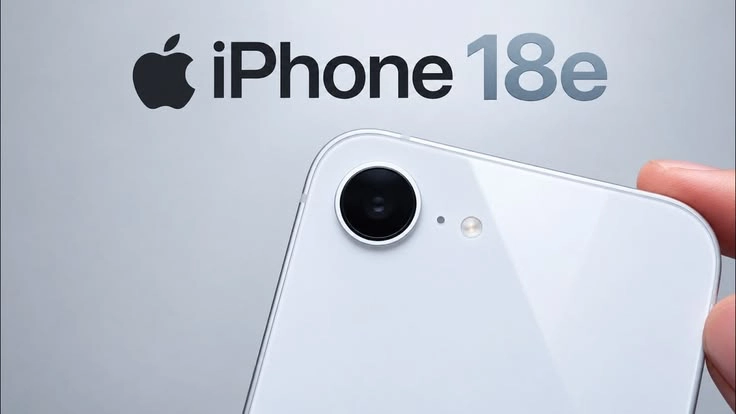
Camera hardware follows a similar formula of targeted upgrades and strict cost discipline. On the back, X-ray images show a single 48MP Fusion wide camera (f/1.6 aperture, optical image stabilization), with a polymer spacer filling the empty second-lens slot. Conversely, the front-facing camera receives a major upgrade from 12MP to a 24MP autofocus sensor capable of crisp 4K 60fps video. Buyers also get Wi-Fi 7, Bluetooth 6.0, 15W MagSafe wireless charging, and IP68 water resistance down to 6 meters (19.7 feet).
Apple iPhone 18e Leaked Specifications Breakdown
| Specification | Leaked / Expected Details |
|---|---|
| Internal Codename | Nevera (shared chassis with iPhone 18 Taycan) |
| Processor | Binned Apple A20 (TSMC 2nm process, hexa-core CPU) |
| RAM & Storage | 8GB – 9GB LPDDR5X RAM; 256GB / 512GB NVMe storage |
| Display | 6.3-inch (16.0 cm) Super Retina XDR OLED, 60Hz, 1,500 nits peak, Dynamic Island |
| Rear Camera | Single 48MP Fusion Wide (f/1.6), OIS, 4K at 60fps Dolby Vision |
| Front Camera | Upgraded 24MP TrueDepth sensor (f/1.9), Face ID, 4K at 60fps |
| Battery Capacity | 4,430mAh Li-Ion (10.6% larger than iPhone 17e) |
| Charging | 20W wired USB-C fast charging; 15W MagSafe / Qi2 wireless |
| Modem & Wireless | Apple C2 5G modem (eSIM-only architecture), Wi-Fi 7, Bluetooth 6.0 |
| Durability & Build | Aerospace aluminum frame, Ceramic Shield 2, IP68 (6m / 19.7 ft for 30 mins) |
| Operating System | iOS 27 with overhauled Siri AI and Apple Intelligence |
| Expected Launch | Spring 2027 (March – April 2027) |
| Expected Base Price | $599 (see regional pricing table below) |
Global Pricing and Regional Availability
Despite rising 2nm wafer costs, industry analysts expect Apple to hold the entry-level starting price at $599 (see regional pricing table below) for the 256GB base configuration. Meanwhile, a higher 512GB storage tier should sit around $799 (see regional pricing table below). Regional taxes, import duties, and currency fluctuations will naturally adjust final retail tags across international markets once pre-orders open in Spring 2027.
| Region / Currency | Expected Starting Price (256GB) |
|---|---|
| United States (USD) | $599 |
| India (INR) | ₹64,900 (estimated retail including GST) |
| European Union (EUR) | €699 (estimated retail including VAT) |
| United Kingdom (GBP) | £599 (estimated retail including VAT) |
The Bigger Picture
By equipping its entry-level phone with 2nm silicon, Apple is rewriting the competitive rules of the sub-$600 smartphone segment. Rival Android flagships like the Google Pixel 10a and Samsung Galaxy S26 FE rely on older 3nm or 4nm processors that cannot match the A20’s sustained efficiency. Furthermore, native iOS 27 intelligence features will run locally on the iPhone 18e without cloud latency. Consequently, mid-range Android manufacturers will face immense pressure to upgrade their silicon and battery capacities throughout 2027.
Unfiltered Opinion
If these Apple iPhone 18e leaks hold true, Cupertino is preparing its most compelling value smartphone in nearly a decade. Getting a 2nm A20 processor, 256GB of base storage, a 24MP selfie camera, and a 4,430mAh battery at $599 (see regional pricing table below) makes the standard iPhone 18 much harder to justify. Admittedly, sticking with a 60Hz display and a single rear lens in 2027 feels stubborn when budget Android phones offer 120Hz panels. Still, for practical buyers who prioritize raw speed, multi-day battery life, and six years of iOS updates over high refresh rates, waiting for Spring 2027 is an easy call.
- K.K., Founder of TechKomo