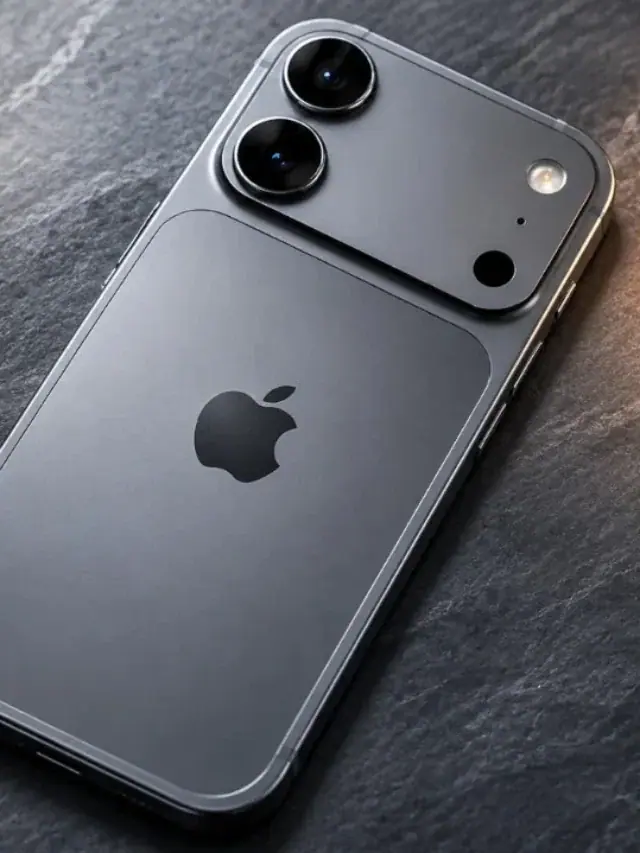
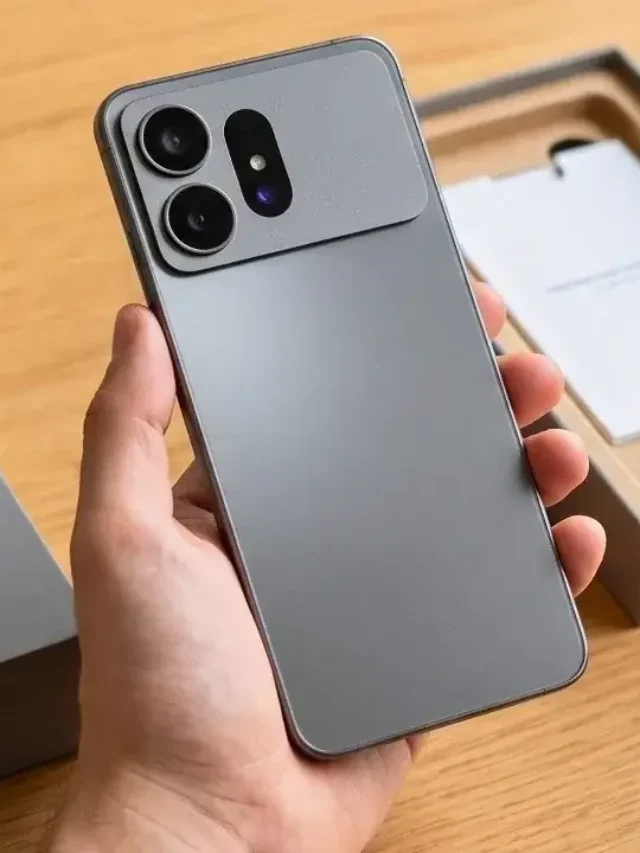
Apple just released the eighth-generation compact tablet, yet an iPad Mini 8 brutal truth is forcing loyal fans to reconsider their upgrades.
- Massive Price Surge: The base 128GB Wi-Fi model jumps by $200 to start at $699 (approx. ₹58,000 / €645 / £550) globally, with Indian retail pricing hitting ₹82,900.
- Display Trade-Offs: It gains a gorgeous 8.5-inch Super Retina XDR OLED screen with 1,200 nits peak HDR brightness, yet remains strictly locked at 60Hz.
- Flagship Silicon & Durability: Powered by the 2nm A20 Pro chip, Wi-Fi 7, and IP67 dust and water resistance.
- Hidden Hardware Cuts: Battery capacity drops slightly to 18.9Wh, and external speaker grilles vanish in favor of a vibrating Acoustic Display.
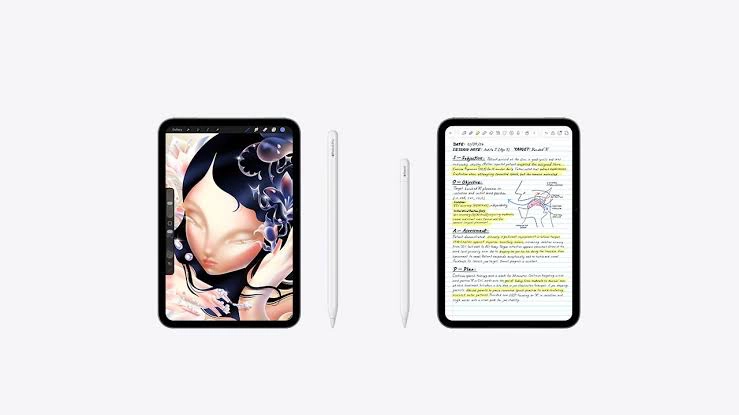
Would you really pay Pro-level prices for a compact tablet that still lacks a 120Hz screen and Face ID?
To understand why tech enthusiasts are frustrated, you need to look at how Apple positioned this November 6, 2026 release. An OLED display uses self-lit pixels to deliver infinite contrast and deep blacks without a backlight. However, ProMotion—Apple’s term for a smooth 120Hz refresh rate—remains absent due to expensive display controller silicon.
Why the iPad Mini 8 Brutal Truth Hurts Buyers
For years, Apple’s smallest tablet occupied a beloved sweet spot as an affordable, ultra-portable powerhouse. Now, the company has aggressively pushed the entry price up by 40%, moving it out of impulse-buy territory. Meanwhile, the larger 11-inch iPad Air actually costs less in several regions while offering a bigger canvas for multitasking.
Even worse, Apple stripped away popular pastel finishes like Pink and Purple, leaving buyers with only Midnight and Starlight. If you want the glare-reducing nano-texture glass option, you must buy at least the 256GB model and pay an extra $100 (approx. ₹8,300 / €92 / £79). Furthermore, Apple still relies on a side-mounted Touch ID sensor instead of modern Face ID.
The 60Hz OLED Paradox in 2026
Apple finally listened to critics by replacing the aging LCD panel with an 8.5-inch Super Retina XDR OLED screen. Thanks to 24% thinner bezels, the display stretches slightly larger while the chassis shrinks to just 5.4mm (0.21 inches) thin and 255g (8.99 oz) for the Wi-Fi variant. Contrast jumps to a massive 2,000,000:1 ratio, and minimum brightness drops to 1 nit for comfortable late-night reading.
Despite these visual leaps, scrolling through web pages or sketching with the Apple Pencil Pro still feels noticeably sluggish at 60Hz. Supply chain insiders indicate that high-refresh controller chips remain costly amid ongoing 2026 silicon constraints. Consequently, paying nearly $700 for a screen that stutters next to mid-range Android rivals feels like a bitter pill to swallow.
Raw A20 Pro Power Meets Clever Acoustic Compromises
Under the hood, Apple did not hold back on raw computational muscle for iPadOS 27 and Apple Intelligence. The 2nm A20 Pro processor delivers up to 2.2x faster CPU speeds and 4x faster graphics compared to the 2021 model. Notably, Apple gates the full hardware potential behind storage tiers, giving only the $999 (approx. ₹83,000 / €920 / £790) 512GB configuration an extra CPU core and a dual 16-core Neural Engine.
To achieve its razor-thin profile and IP67 water resistance rating, Apple completely eliminated traditional speaker holes. Instead, an innovative Acoustic Display uses concealed tweeters and display-coupled woofers to vibrate sound directly through the glass. While stereo separation remains decent for casual streaming, bass response naturally lacks the punch of larger tablets.
Apple iPad Mini 8 (2026) Complete Specifications
| Specification | Official Hardware Details |
|---|---|
| Processor | Apple A20 Pro (2nm architecture, 5-core or 6-core CPU, 7-core GPU) |
| Display | 8.5-inch Super Retina XDR OLED, 2316 x 1512 resolution (326 ppi), 60Hz |
| Brightness | 600 nits SDR, 1,200 nits peak HDR, 1-nit minimum, optional nano-texture |
| Battery & Charging | 18.9Wh battery, up to 10 hours Wi-Fi web/video, 35W fast charging (50% in 30 mins) |
| Rear Camera | 12MP Wide (f/1.8), Smart HDR 4, 4K video at 60fps, Adaptive True Tone flash |
| Front Camera | Landscape 12MP Center Stage (f/2.4) |
| Connectivity | Wi-Fi 7, Bluetooth 6, USB-C (USB 3.1), optional Apple C2 5G modem (eSIM) |
| Durability & Weight | IP67 water/dust resistance; 255g (8.99 oz) Wi-Fi / 263g (9.28 oz) Cellular |
| Starting Price | $699 (approx. ₹58,000 / €645 / £550) for 128GB Wi-Fi |
The Bigger Picture
This aggressive pricing strategy signals a permanent shift in how Apple segments its tablet lineup in late 2026. By elevating the smallest iPad into a luxury niche product, Apple leaves the budget and mid-range compact tablet market wide open for competitors like Xiaomi, Lenovo, and Oppo. Rivals are already offering high-refresh OLED screens and larger batteries for nearly half the cost. Apple is betting heavily that ecosystem lock-in and unmatched silicon efficiency will keep aviation pilots, doctors, and commuters paying a steep premium.
Unfiltered Opinion
Let us be completely transparent about who should actually buy this device. The hardware engineering inside this 5.4mm slab is undeniably impressive, especially the 1,200-nit OLED panel and IP67 durability. However, the iPad Mini 8 brutal truth is that Apple is charging flagship money while withholding basic modern conveniences like 120Hz ProMotion. If you are a pilot, field technician, or avid e-reader fan who demands one-handed portability, nothing else in the iOS ecosystem comes close. For everyone else, spending $699 (approx. ₹58,000 / €645 / £550) on a cramped 60Hz screen makes zero financial sense when larger, faster-refreshing tablets cost less.
- K.K., Founder of TechKomo