Fresh supply chain leaks suggest the Galaxy Z Fold 9 camera setup will intentionally drop dedicated telephoto hardware on the standard model, sparking fierce debate among flagship buyers.
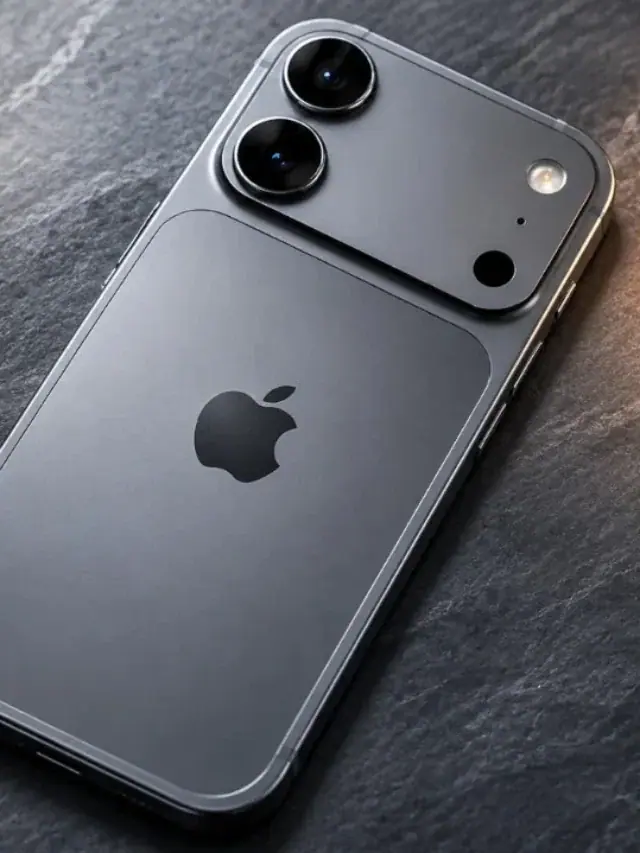
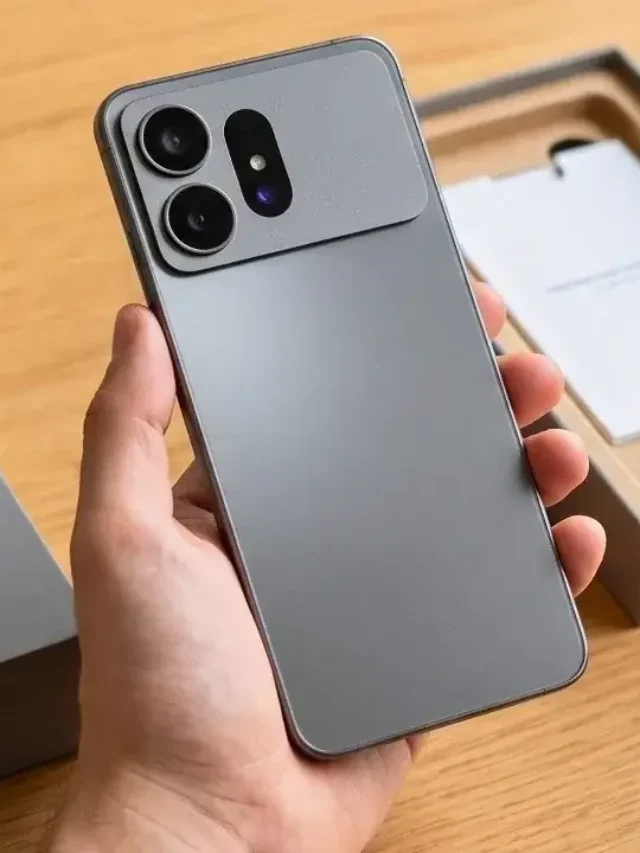
- Standard Model Compromise: The base Galaxy Z Fold 9 reportedly keeps a dual-camera system with a 50MP primary sensor and a 50MP ultra-wide lens, completely omitting a dedicated telephoto zoom camera.
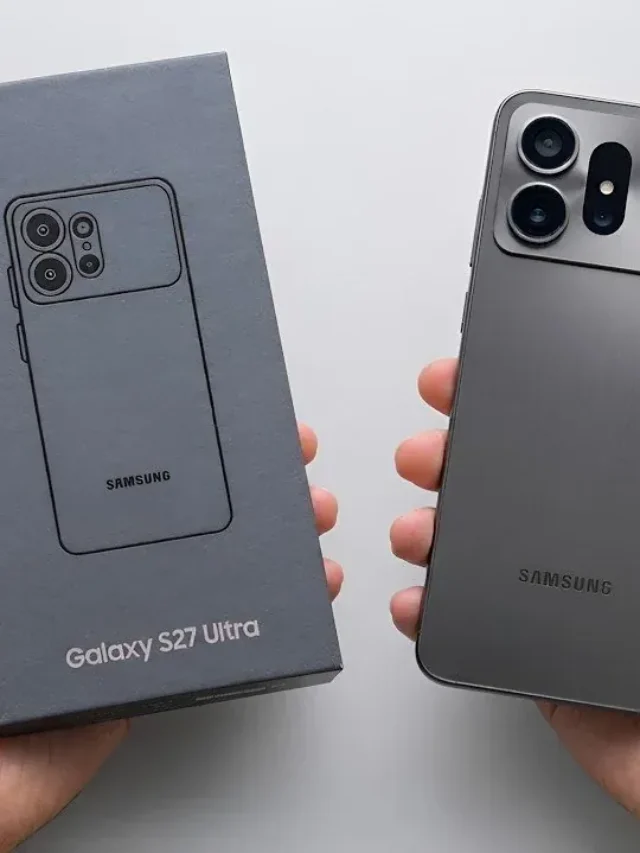
- Ultra Tier Gatekeeping: Only the pricier Galaxy Z Fold 9 Ultra receives a new 200MP primary sensor alongside a 50MP ultra-wide and a recycled 10MP 3x optical telephoto lens.
- Selfie Optics Debate: Conflicting insider reports suggest Samsung is testing the return of an Under-Display Camera (UDC) for the inner folding screen, potentially trading selfie sharpness for an uninterrupted display.
- Expected Launch Window: Both next-generation foldables are projected to debut at Galaxy Unpacked in July 2027 at 10:00 AM PT / 1:00 PM ET / 6:00 PM GMT.

Would you still pay nearly two thousand dollars for a flagship foldable if Samsung forces you to buy the Ultra model just to get a real zoom lens?
TechKomo Disclaimer: The details discussed below are based on early industry leaks and supply chain rumors. Official specifications may vary prior to Samsung’s formal launch announcement.
Why the Leaked Galaxy Z Fold 9 Camera Strategy Feels Like a Step Backward
Recent component whispers indicate that Samsung plans to widen the hardware gap between its standard book-style foldable and its top-tier Ultra variant. According to industry tipsters, the standard Galaxy Z Fold 9 camera array will mirror its predecessor by relying strictly on two rear sensors. Consequently, buyers choosing the entry-level foldable will miss out on dedicated optical zoom hardware altogether.
In practical photography terms, skipping a telephoto lens forces the smartphone to rely on “in-sensor cropping” for zoomed shots. While cropping the center of a 50MP sensor produces acceptable 2x photos in bright daylight, image clarity degrades quickly indoors or at night. Furthermore, competitors from rival Asian manufacturers routinely pack periscope zoom lenses into equally thin foldable chassis.
Breaking Down the Galaxy Z Fold 9 Ultra Sensor Split
While the standard model faces hardware stagnation, Samsung is reserving its meaningful optical upgrades for the more expensive Galaxy Z Fold 9 Ultra. Supply chain insiders indicate that the Ultra model will debut a refreshed 200MP primary sensor designed to improve low-light dynamic range and reduce shutter lag. However, the supporting cast of lenses tells a far more conservative story.
Despite earlier summer rumors hinting at a 5x periscope upgrade, newer production leaks point back to a recycled 10MP telephoto camera locked at 3x optical zoom. Meanwhile, the secondary 50MP ultra-wide sensor carries over unchanged from the previous generation. Holding a flagship Ultra phone to a 10MP zoom sensor limits long-range detail, even when paired with advanced Galaxy AI sharpening algorithms.
The Inner Selfie Camera Dilemma: UDC vs. Punch-Hole
Beyond the rear camera housing, internal engineering leaks highlight a tug-of-war over the inner folding display’s front camera. Earlier reports suggested Samsung might resurrect its Under-Display Camera (UDC) technology to achieve a seamless, uninterrupted canvas. Conversely, South Korean supply chain sources counter that Samsung remains hesitant due to persistent optical haze and lower light transmission.
An Under-Display Camera hides the lens beneath active display pixels so users see zero black cutouts while watching videos or reading. However, light must pass through the screen matrix before hitting the sensor, often resulting in softer video calls compared to a traditional punch-hole cutout.
Leaked Specifications: Galaxy Z Fold 9 vs. Galaxy Z Fold 9 Ultra
To put these rumored hardware compromises into perspective, the comparison below outlines how the two upcoming foldables stack up based on current supply chain data.
| Specification | Galaxy Z Fold 9 (Standard) | Galaxy Z Fold 9 Ultra |
|---|---|---|
| Processor | Snapdragon 8 Elite Gen 6 (Rumored) | Snapdragon 8 Elite Extreme Gen 6 |
| Main Display | 7.6-inch Dynamic AMOLED 2X, 120Hz | 8.0-inch Dynamic AMOLED 2X, 120Hz |
| Primary Camera | 50MP Wide (OIS) | New 200MP Wide (OIS) |
| Ultra-Wide Camera | 50MP Ultra-Wide | 50MP Ultra-Wide |
| Telephoto Camera | None (Digital Sensor Crop Only) | 10MP Telephoto (3x Optical Zoom) |
| Battery & Charging | 4,600mAh (Expected) | 5,000mAh – 5,200mAh |
| Estimated Weight | Approx. 215g / 7.58 oz | Approx. 230g / 8.11 oz |
| Expected Starting Price | $1,899 (approx. ₹1,58,000 / €1,740 / £1,490) | $2,199 (approx. ₹1,83,000 / €2,015 / £1,730) |
The Bigger Picture: Rising Component Costs Squeeze Foldable Buyers
Samsung’s conservative Galaxy Z Fold 9 camera roadmap reflects broader financial pressures across the global smartphone supply chain. Rising memory chip prices and expensive ultra-thin glass panels have steadily eroded hardware profit margins for foldable manufacturers. Furthermore, with Apple preparing to enter the foldable market with its rumored book-style device, Samsung faces intense pressure to keep its base model slim, lightweight, and competitively priced. By gating the 200MP sensor and 3x telephoto lens behind the Ultra tier, Samsung protects its margins while nudging power users toward its highest-priced SKU.
Unfiltered Opinion
Paying nearly $1,900 (approx. ₹1,58,000 / €1,740 / £1,490) for a flagship phone that lacks a dedicated optical zoom lens is a tough pill to swallow in 2027. While thinner chassis engineering and brighter folding screens are welcome upgrades, camera versatility remains a non-negotiable priority for everyday buyers. Even the $2,199 (approx. ₹1,83,000 / €2,015 / £1,730) Ultra model feels overly cautious by sticking with an aging 10MP 3x telephoto sensor while rivals push far ahead in periscope zoom clarity. Unless Samsung’s next-generation computational photography delivers dramatic real-world improvements, current foldable owners have very little reason to rush into an upgrade.
- K.K., Founder of TechKomo