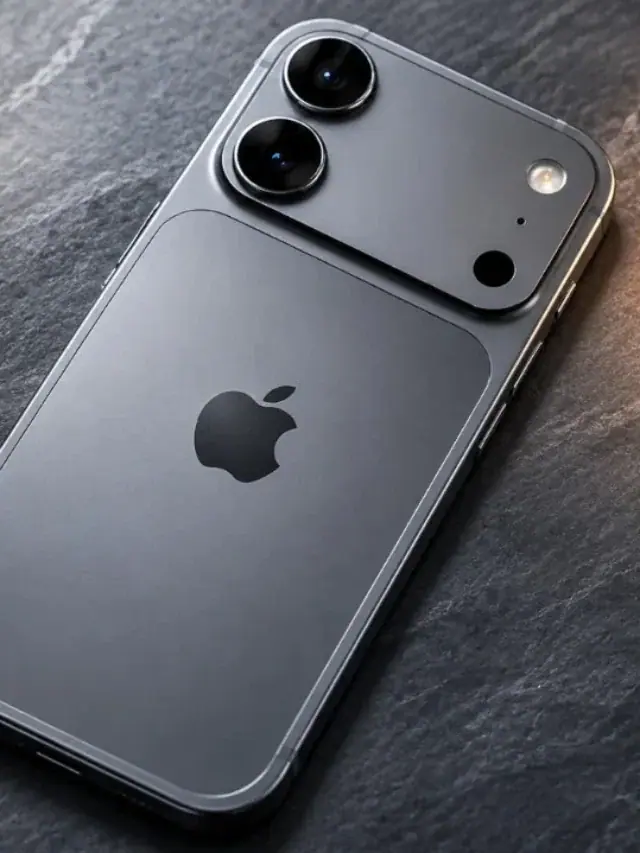
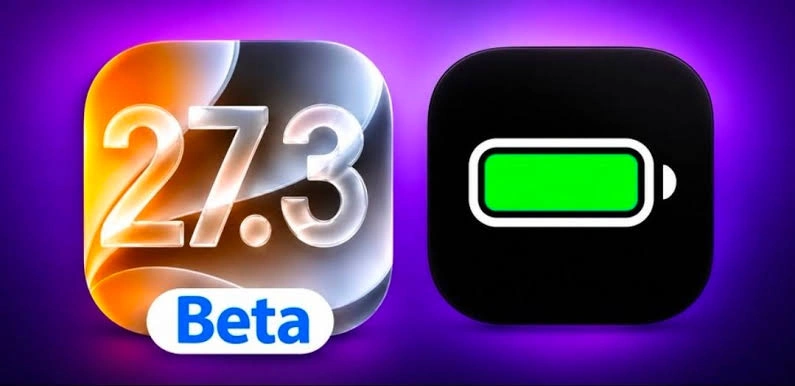
Watching your battery percentage plummet before dinner is a daily frustration, which is why the upcoming iOS 27.3 battery life improvements are turning heads across the tech world. Apple quietly seeded the first developer and public betas earlier this month, revealing aggressive under-the-hood power optimizations alongside major visual updates.
- Release Window: Developer and public betas are live now, with a global stable rollout expected in mid-December 2026.
- Adaptive Dark Mode: Safari now forces dark themes onto bright websites, slashing OLED screen power consumption.
- Smarter Background Throttling: Early telemetry shows tighter silicon scheduling reduces idle overnight drain and curbs pocket heat.
- Broad Compatibility: The free update supports every model from the iPhone 11 series up to the flagship iPhone 18 Pro Max and foldable iPhone Duo.
TechKomo Disclaimer: The details discussed below are based on early beta testing and supply chain telemetry. Official consumer battery metrics may vary upon the final public rollout.
Can a mid-cycle software update truly rescue aging lithium-ion cells without forcing you to buy new hardware?
Silicon Tuning and iOS 27.3 Battery Life Gains
Most smartphone users assume battery endurance depends strictly on physical milliamp-hour capacity. However, software efficiency dictates how rapidly your processor burns through stored energy during routine tasks. In the latest beta builds, Apple engineers have quietly refined how background threads interact with efficiency cores on modern Apple silicon.
Essentially, thread scheduling acts like a digital traffic controller for your processor. Instead of waking high-power performance cores for minor notifications, the operating system keeps routine tasks locked onto low-voltage efficiency cores. Consequently, early beta testers on recent handsets report noticeably cooler operating temperatures and steadier standby curves.
Furthermore, these background adjustments prevent rogue apps from pinging cellular modems constantly while your phone sits idle. For example, overnight standby drain drops noticeably when background cloud backups wait for stable Wi-Fi and cooler ambient temperatures.
How Safari Adaptive Dark Mode Slashes Screen Drain
Displays remain the single largest power consumer on any modern smartphone. Fortunately, Apple introduced a clever new toggle called Adaptive Dark Mode inside Safari settings with the iOS 27.3 beta. When activated, this feature automatically converts bright white webpages into dark-themed layouts even if the website lacks native dark mode support.
Because OLED panels completely switch off individual pixels to display true black, darkening bright web articles directly reduces electrical draw. Therefore, heavy web readers gain measurable screen-on endurance without manually dimming their display brightness. Additionally, users can toggle this feature directly under Settings > Apps > Safari > Adaptive Dark Mode.
Meanwhile, Apple also refined StandBy mode with new Weather and Calendar slides borrowed from the foldable iPhone Duo. These updated always-on widgets utilize deeper black backgrounds and smarter refresh scaling to protect battery health while docked overnight.
iOS 27.3 Beta vs. iOS 27.2: Key Technical Breakdown
While Apple reserves major architectural overhauls for annual September releases, mid-cycle point updates often deliver the highest daily stability. Below is a detailed look at how the upcoming firmware compares to the current public build across supported devices.
| Specification / Metric | iOS 27.2 (Current Public) | iOS 27.3 (Beta / Expected) | Real-World Impact |
|---|---|---|---|
| Supported Processors | A13 Bionic to A20 Pro | A13 Bionic to A20 Pro | Supports iPhone 11 through iPhone 18 Pro |
| Display Power Features | Standard System Dark Mode | Safari Adaptive Dark Mode | Lower OLED pixel draw on bright sites |
| Health & AI Suite | Legacy Health App Layout | Redesigned Health & Audio AI | Smarter on-device neural indexing |
| StandBy Mode | Basic Clock & Photo Widgets | Duo-style Weather & Calendar | Cleaner always-on desk utility |
| Global Rollout Window | Available Now | Mid-December 2026 | Free Over-the-Air (OTA) download |
| Upgrade Cost | $0 (approx. ₹0 / €0 / £0) | $0 (approx. ₹0 / €0 / £0) | Zero cost for eligible devices |
Managing On-Device AI Without Thermal Throttling
Running localized artificial intelligence models typically generates noticeable heat and drains battery reserves quickly. Yet, Apple is expanding Audio Intelligence features like Siri Recap and Live Rewind alongside a redesigned Health app in this release. Moreover, Siri AI is expanding to support traditional Chinese, Vietnamese, Turkish, and Norwegian.
To prevent these new capabilities from wrecking iOS 27.3 battery life, engineers optimized how the Neural Engine indexes health and audio data. Rather than processing heavy analytics during active daytime usage, the system defers non-urgent indexing until the handset connects to power. As a result, users avoid sudden thermal spikes and midday battery nosedives.
However, beta testers should remember that early pre-release builds always run background diagnostic logging. Installing beta software on a primary daily driver can temporarily cause erratic battery drain until the final release candidate arrives.
Global Rollout Schedule and Device Compatibility
Apple historically pushes its point-three updates during the second week of December. Based on current developer beta timelines—which kicked off at 10:00 AM PT / 1:00 PM ET / 6:00 PM GMT—the public release should land globally around mid-December 2026.
Every handset capable of running iOS 27 remains eligible for this upgrade. That list spans from the 2019 iPhone 11 lineup and second-generation iPhone SE all the way to the $699 (approx. ₹58,000 / €640 / £550) iPhone 17e and the $1,999 (approx. ₹1,66,000 / €1,830 / £1,570) foldable iPhone Duo. Conversely, older models like the iPhone XS, iPhone XS Max, and iPhone XR remain permanently locked out of the iOS 27 ecosystem.
The Bigger Picture
Smartphone battery capacities have largely plateaued across the mobile industry over the past two years. Recent independent battery testing across 32 flagship and mid-range smartphones shows average endurance barely budged between 2024 and 2026. Consequently, aggressive software optimization has become the primary battleground for extending daily usage. By pairing Adaptive Dark Mode with stricter background silicon governance, Apple puts direct pressure on Android rivals to deliver meaningful endurance gains through software rather than heavier batteries.
Unfiltered Opinion
If you are tempted to install the public beta today just to fix poor battery life, hold off for a few more weeks. Early beta builds always carry background diagnostic overhead that masks true efficiency gains. Once the final stable build drops in mid-December, however, the combination of Safari Adaptive Dark Mode and smarter thread scheduling should deliver a welcome reprieve for aging iPhones. Software updates cannot reverse physical chemical degradation inside an old battery, yet iOS 27.3 battery life tweaks prove smart code still matters.
- K.K., Founder of TechKomo