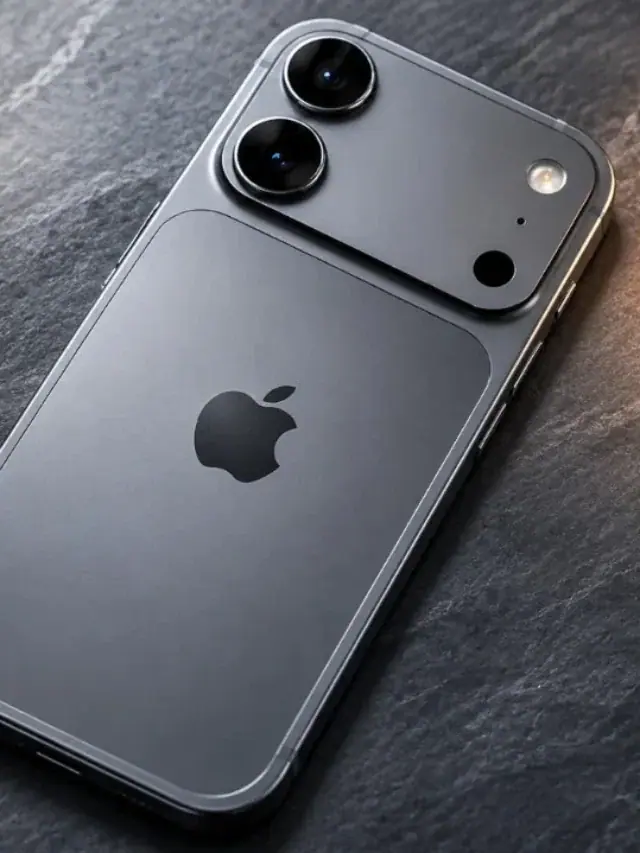
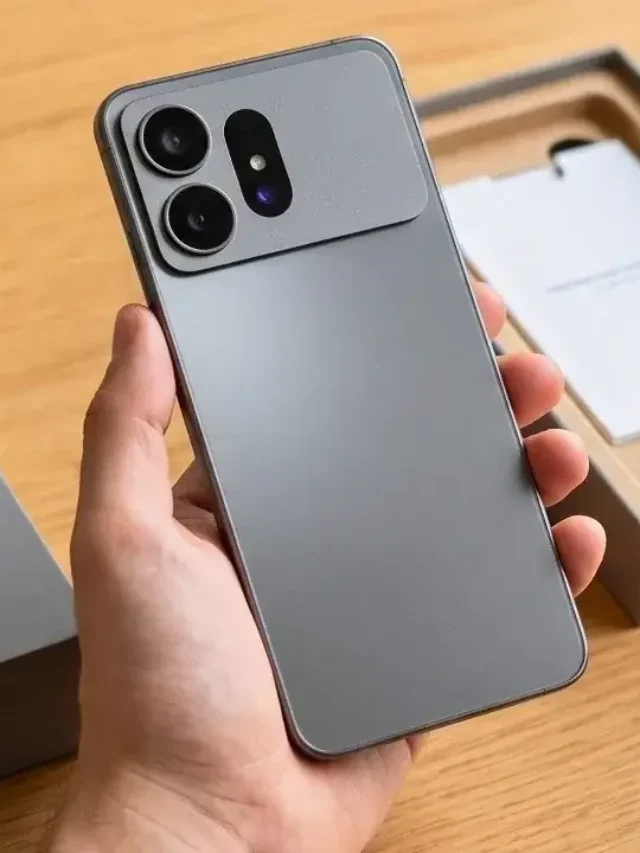
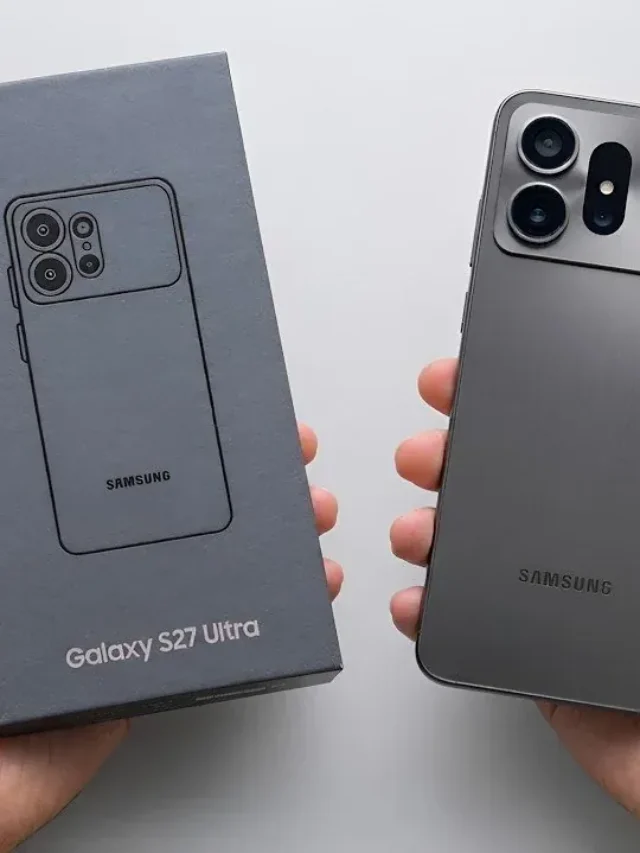
Apple just shattered foldable industry records as iPhone Duo optimized apps surge past 100,000 within two weeks of launch. While rival foldables spent years begging developers to fix stretched layouts, Cupertino mobilized thousands of daily updates overnight. However, digging beneath the celebratory numbers reveals a messy software reality that early adopters are already complaining about.
- Historic Adoption Speed: Over 100,000 applications officially support the 7.6-inch inner folding screen just 14 days after the October 23 release.
- Heavyweight Support: Major platforms like Netflix, Microsoft Office, Zoom, Slack, and YouTube now run natively across the expanded canvas.
- The Hidden Catch: Carrying the official Made for iPhone Duo badge does not guarantee a bug-free layout, with Instagram facing public criticism.
- Supply Crunch: Intense demand has pushed global shipping estimates into January 2027, leaving buyers waiting months for hardware.
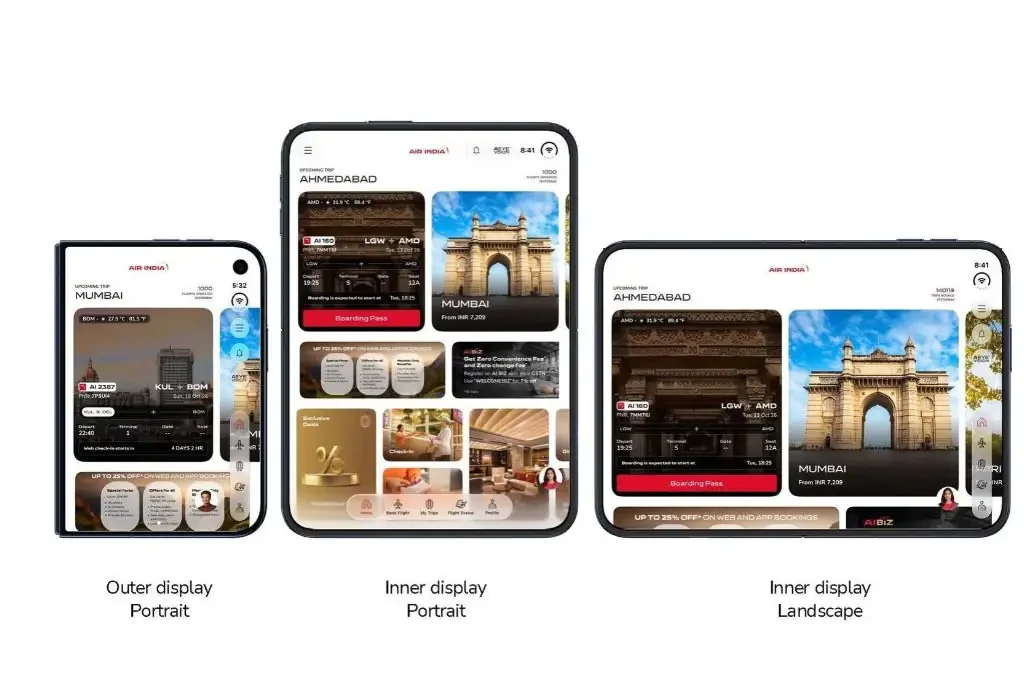
If Apple already has a hundred thousand apps ready, why are some of the world’s biggest social platforms—and even Apple’s own storefront—still struggling to fit the screen?
To understand this rapid surge, you have to look at how Apple structured its iOS 27.1 SDK. An SDK (Software Development Kit) is essentially a digital toolbox that lets programmers tell an app how to stretch, split, or rearrange its buttons when a screen changes shape. Instead of forcing creators to build separate tablet apps from scratch, Apple allowed standard SwiftUI and UIKit interfaces to automatically snap into multi-column views when unfolded.
How iPhone Duo Optimized Apps Conquered the App Store
According to Susan Prescott, Apple’s Vice President of Worldwide Developer Relations, thousands of updated builds are hitting the App Store every single day. Before the hardware even reached retail shelves, Apple hosted hands-on developer workshops across 19 global cities. Consequently, programmers tested hinge transitions and multi-window layouts well ahead of the public launch.
Furthermore, apps compiled with the iOS 27.1 SDK or newer unlock full edge-to-edge rendering. Toolbars shift vertically beneath the status bar, freeing up massive horizontal workspace. For instance, Microsoft Word, Excel, and Outlook deliver a near-desktop interface right in your pocket.
Meanwhile, entertainment and creative tools are thriving on the 4:3 aspect ratio panel. Zoom transforms the unfolded screen into a split conference room where participants sit alongside shared documents. Similarly, Halide Mark III and Instagram Edits spread timeline controls across the 1878 x 2670 pixel display for precision editing.
The Three Tiers of App Compatibility
Not every application on the App Store behaves the same way when you open the 5.2 mm (0.20 inches) thin chassis. Apple’s developer documentation divides software into three distinct behavioral tiers:
- iOS 26 SDK or Older: Legacy apps run inside a centered, phone-sized window surrounded by thick black pillarboxes.
- iOS 27 SDK: Base updated apps stretch to fill most of the panel, though interface elements can occasionally feel blown up.
- iOS 27.1 SDK or Later: True iPhone Duo optimized apps utilize the entire 7.6-inch canvas with adaptive side-by-side columns and hinge-angle awareness.
Why Popular Apps Still Break on the Big Screen
Despite Apple’s triumphant press release, crossing the 100,000 mark has exposed glaring inconsistencies. Industry insiders note that the Made for iPhone Duo App Store badge merely confirms basic SDK compliance rather than polished design. As a result, several high-profile apps look awkward when expanded.
Instagram is the most prominent example of this growing pain. Even though the app carries Apple’s official compatibility badge, users report awkward spacing and clumsy navigation placement. Instagram head Adam Mosseri publicly acknowledged the issue, describing the foldable screen as a tricky form factor to master.
Even more surprising, Google Docs still lacks full multi-column optimization, and Apple’s own Apple Store shopping app remains compiled on the older iOS 26 SDK. Therefore, opening Apple’s official retail app on a flagship foldable leaves wasted space flanking a narrow vertical feed.
Hardware Powering the Foldable Software Boom
Software only shines when backed by serious silicon, and Apple engineered this first-generation foldable around raw speed. At its core sits the 2nm Apple A20 Pro processor paired with 12GB of LPDDR5X RAM. In early synthetic testing, the device hits an AnTuTu score of 3,085,164 and a Geekbench multi-core score of 11,175, outpacing competing Android foldables.
| Specification | Apple iPhone Duo Hardware Details |
|---|---|
| Processor | Apple A20 Pro (2nm, 6-core CPU, 7-core GPU, Dual 16-core Neural Engine) |
| Inner Display | 7.6-inch Super Retina XDR LTPO OLED, 120Hz, 1878 x 2670 px (430 ppi), 3,000 nits peak, Nano-texture |
| Cover Display | 5.4-inch Super Retina XDR OLED, 120Hz, 1398 x 2034 px, 1,000 nits brightness |
| Memory & Storage | 12GB LPDDR5X RAM; 256GB, 512GB, 1TB, or 2TB NVMe storage |
| Rear Cameras | 48MP Fusion Main (f/1.6, OIS, 2x optical-quality zoom) + 48MP Ultra Wide (120° FOV) |
| Front Cameras | 12MP Center Stage cover camera + Under-display inner FaceTime camera |
| Battery Life | Up to 44 hours video playback (outer screen) / 31 hours (inner screen); 50% charge in 20 mins |
| Dimensions & Weight | Folded: 11.3 mm (0.44 in) / Unfolded: 5.2 mm (0.20 in); Weight: 254g (8.96 oz) |
| Durability & OS | Titanium frame, IP68 water resistance (up to 6m / 19.7 ft), iOS 27.1 with Apple Intelligence |
| Starting Price | $1,999 (approx. ₹1,66,000 / €1,840 / £1,580) (Official India MRP: ₹2,99,900) |
The Bigger Picture
Apple’s ability to rally 100,000 developers in fourteen days sends a terrifying message to Samsung, Google, and Chinese foldable makers. Android manufacturers spent seven years building multi-window software workarounds because third-party developers largely ignored square aspect ratios. By making iPhone Duo optimized apps seamless through automated SwiftUI scaling, Apple solved Android’s biggest weakness overnight. Competitors can no longer rely on software maturity as a selling point, forcing the entire mobile sector into an aggressive hardware and pricing war heading into 2027.
Spending $1,999 (approx. ₹1,66,000 / €1,840 / £1,580)—or a steep ₹2,99,900 in markets like India—demands near-perfection out of the box. Right now, the iPhone Duo delivers unmatched developer momentum, blinding A20 Pro performance, and an ultra-thin 5.2 mm (0.20 in) titanium build. Yet early buyers are still paying a premium to beta-test inconsistent third-party interfaces while waiting until January 2027 for backordered stock to clear. Unless you desperately need an iPad mini inside your pocket today, waiting a few months for developers to iron out those stretched layouts is the smartest move you can make.
- K.K., Founder of TechKomo