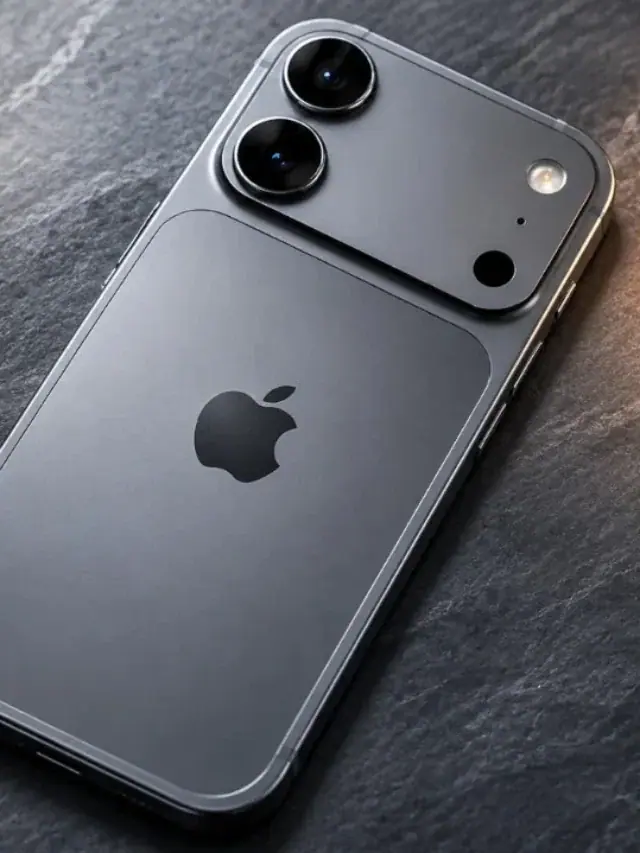
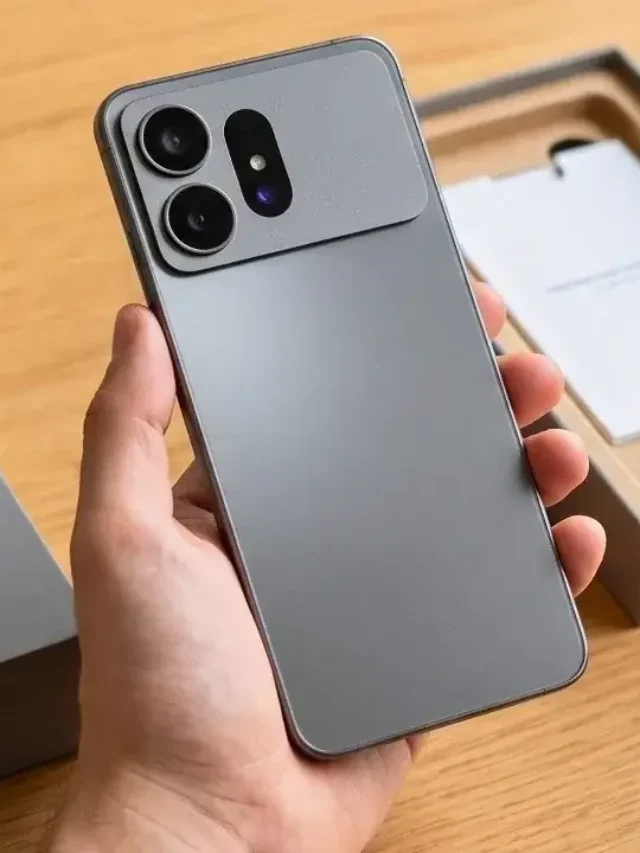
Fresh iPhone 18e leaked specifications reveal a shocking hardware twist that allows Apple’s upcoming budget handset to outmuscle the flagship iPhone 18 Pro in raw battery capacity. Newly surfaced internal X-ray schematics suggest Apple is abandoning its traditional entry-level parts bin in favor of shared flagship architecture. Consequently, buyers waiting for Spring 2027 could receive far more endurance and silicon power than anyone anticipated.
- Massive Battery Upgrade: Hardware diagrams indicate the iPhone 18e packs a 4,430mAh steel-encased battery, beating the iPhone 18 Pro’s 4,288mAh maximum cell.
- Flagship 2nm Silicon: Apple will reportedly equip the entry-level model with its next-generation 2nm Apple A20 processor and up to 9GB of RAM.
- Expanded Display Footprint: Supply chain schematics point to a larger 6.3-inch OLED screen with Dynamic Island, though the refresh rate stays capped at 60Hz.
- Selfie Camera Leap: While the rear remains a single 48MP lens, the front camera reportedly jumps to 24MP, topping the 18MP sensor on Pro models.
TechKomo Disclaimer: The details discussed below are based on early industry leaks, hardware schematics, and supply chain rumors. Official specifications and pricing from Apple may vary upon release.
For years, choosing Apple’s most affordable iPhone meant accepting smaller batteries, dated screens, and older processors. However, the latest blueprints from Cupertino’s supply chain completely upend that familiar formula. Why would Apple suddenly equip its lowest-tier model with a battery larger than its flagship Pro lineup?
The Battery Shock Inside the iPhone 18e Leaked Specifications
Internal X-ray diagrams circulating among supply chain analysts expose an unexpected engineering move inside the device codenamed Nevera. According to these leaked blueprints, both the standard iPhone 18 and the entry-level iPhone 18e share an identical 4,430mAh battery pack. That figure represents a 10.6% capacity jump over the iPhone 17e’s 4,005mAh cell. Furthermore, it marks a massive 20.7% increase compared to the standard iPhone 17’s 3,671mAh battery.
Even more surprising is how this cell stacks up against Apple’s top-tier hardware released in September 2026. The flagship iPhone 18 Pro houses a 4,056mAh battery in physical SIM regions and a 4,288mAh unit in eSIM-only markets. Therefore, the budget-oriented iPhone 18e will carry more physical battery capacity than a phone costing $1,199. Combined with an efficient 60Hz display, real-world endurance could easily stretch past 26 hours of continuous video playback.
How Apple Engineered Extra Internal Space
Achieving this battery milestone required an aggressive internal chassis redesign rather than a thicker outer frame. Hardware schematics show Apple completely eliminated the physical SIM card tray across primary global variants to reclaim valuable board space. Simultaneously, engineers reshaped the Taptic Engine and bottom-firing speaker from long, narrow strips into wider, compact modules.
In addition, Apple will wrap the 4,430mAh cell in a rigid steel casing. This structural upgrade improves thermal dissipation while preventing battery swelling over multi-year ownership cycles. As a result, budget buyers gain flagship-grade durability alongside multi-day battery life.
Shared 6.3-Inch Chassis and the Display Compromise
Earlier supply chain whispers from October 2026 suggested Apple would reuse a smaller 6.12-inch OLED panel for the iPhone 18e. However, newer November hardware schematics tell a very different story about the phone’s physical dimensions. The iPhone 18e reportedly shares the exact 160.0mm / 6.30-inch external chassis and logic board layout of the standard iPhone 18.
Because both handsets utilize matching front glass assemblies, the iPhone 18e is positioned to finally ditch the legacy notch for Dynamic Island. Shared frame tooling also opens the door for the capacitive Camera Control button to debut on Apple’s entry-level tier. Nevertheless, Apple still enforces clear visual separation between its two Spring 2027 models.
Understanding LTPS vs. LTPO Panel Tech
To keep costs down and protect standard iPhone 18 sales, the iPhone 18e relies on an LTPS OLED panel locked at 60Hz. In contrast, the standard iPhone 18 steps up to a smoother 120Hz LTPO screen. In everyday terms, LTPS panels refresh at a fixed, slower rate that makes scrolling feel less fluid than modern rivals. Meanwhile, LTPO screens dynamically adjust their refresh speed from 1Hz to 120Hz for silky animations and always-on widgets.
Flagship 2nm Apple A20 Silicon Under the Hood
Despite its budget positioning, the iPhone 18e leaked specifications point to zero compromises in raw processing muscle. Industry insiders confirm the handset will run on Apple’s cutting-edge Apple A20 chipset built on TSMC’s 2nm manufacturing node. To understand the real-world impact, 2nm lithography packs billions more microscopic transistors onto a tiny sliver of silicon. Consequently, your phone executes heavy artificial intelligence tasks noticeably faster while sipping far less battery power.
Apple will likely use a slightly binned version of the A20 chip to maximize manufacturing yields. Silicon binning simply means Apple disables one graphics core on chips with minor factory imperfections rather than discarding them. For daily social media, 4K video editing, and iOS 27 multitasking, users will notice virtually zero slowdown. Moreover, pairing this chip with 8GB to 9GB of LPDDR5X RAM ensures full compatibility with on-device Apple Intelligence tools.
Camera Hardware: One Big Cut and One Surprise Upgrade
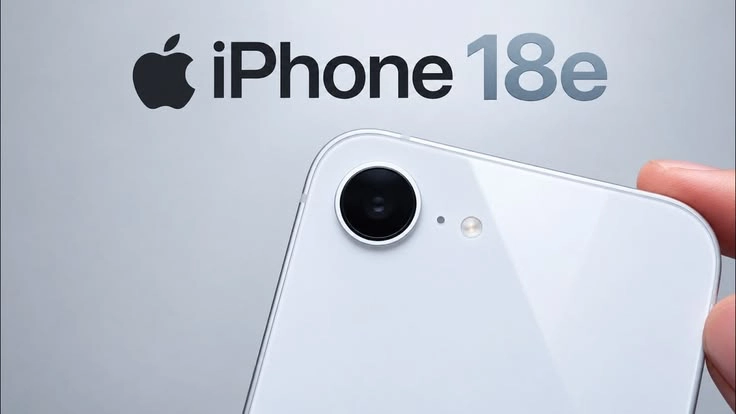
Looking closely at the rear X-ray schematics reveals how Apple keeps production costs under control. While the standard iPhone 18 houses dual 48MP sensors, the iPhone 18e sticks strictly to a single 48MP wide-angle camera. Inside the chassis, Apple fills the empty space reserved for the Ultra-Wide lens and BG1 array with a simple plastic spacer. You still get crisp 2x optical-quality sensor crops, but true ultra-wide landscape shots remain exclusive to pricier models.
Conversely, the front-facing camera delivers one of the biggest surprises in the entire spec sheet. Supply chain reports indicate Apple is upgrading the selfie shooter from 12MP to a sharp 24MP autofocus sensor. Remarkably, that resolution surpasses the 18MP front camera found on the flagship iPhone 18 Pro. Content creators and frequent video callers will enjoy dramatically sharper framing and better low-light clarity.
Leaked iPhone 18e Specifications Overview
The table below compiles all verified hardware details from recent supply chain schematics alongside projected baseline configurations.
| Specification | Leaked iPhone 18e Details |
|---|---|
| Expected Launch Window | Spring 2027 (March – April 2027) |
| Internal Project Codename | Nevera |
| Processor | Apple A20 (Hexa-core, binned GPU) |
| Manufacturing Process | TSMC 2nm Lithography |
| Memory (RAM) | 8GB – 9GB LPDDR5X |
| Base Storage Options | 256GB / 512GB (Unconfirmed) |
| Display Size & Type | 6.3-inch (160.0mm) Super Retina XDR OLED |
| Refresh Rate & Cutout | 60Hz Fixed Rate with Dynamic Island |
| Rear Camera System | Single 48MP Wide (f/1.6, 4K at 60fps) |
| Front Camera System | 24MP Wide (f/1.9, Autofocus) |
| Battery Capacity | 4,430mAh Steel-Encased Cell |
| Connectivity & SIM | 5G, Wi-Fi 7, Bluetooth 6.0, eSIM-only focus |
| Water & Dust Rating | IP68 / IP69 (Up to 6m / 19.7ft for 30 mins) |
| Operating System | iOS 27 with Apple Intelligence |
| Expected Starting Price | $699 (see regional pricing table below) |
Expected Global Pricing and Spring 2027 Launch Timeline
Apple has permanently shifted away from launching all its smartphones during a single September keynote. Instead, the company plans to unveil the iPhone 18e alongside the standard iPhone 18 and iPhone Air 2 between March and April 2027. Based on Apple’s established spring broadcast schedule, the virtual keynote should begin at 10:00 AM PT / 1:00 PM ET / 6:00 PM GMT.
Pricing remains the trickiest part of the puzzle following Apple’s abrupt $100 price hike across older models in September 2026. Surging global DRAM and NAND memory costs forced Apple to raise the iPhone 17e from $599 to $699. Consequently, industry analysts expect the iPhone 18e to debut at $699 (see regional pricing table below) for the 256GB base tier.
| Region / Currency | Estimated Starting Price (256GB) |
|---|---|
| United States (USD) | $699 |
| India (INR) | ₹79,900 |
| Europe (EUR) | €799 |
| United Kingdom (GBP) | £699 |
The Bigger Picture: How Apple’s Strategy Pressures Rivals
By unifying the internal chassis of the iPhone 18 and iPhone 18e, Apple unlocks massive manufacturing economies of scale. Sharing a single 4,430mAh battery and 6.3-inch frame slashes component costs during a period of historic memory inflation. At the same time, delivering a 2nm flagship processor and two-day battery stamina at $699 (see regional pricing table below) puts immense pressure on mid-range Android competitors. Rivals from Samsung and Google can no longer easily mock Apple’s entry-level phone over weak battery endurance or outdated chips.
Unfiltered Opinion: Should You Wait for the iPhone 18e?
If you care most about battery longevity, raw speed, and long-term software support, these iPhone 18e leaked specifications make it an easy recommendation to wait for. Getting a 4,430mAh battery and a 2nm A20 processor in Apple’s entry-level tier is an undeniable win for everyday reliability. However, keeping a 60Hz screen on a $699 (see regional pricing table below) smartphone in 2027 feels stubbornly outdated. If you can live without high-refresh scrolling and an ultra-wide camera, the iPhone 18e could easily become the smartest value in Apple’s entire lineup.
- K.K., Founder of TechKomo