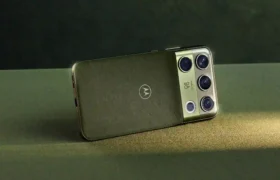
Samsung is reportedly ending a six-year Ultra tradition, as the latest Samsung Galaxy S27 Ultra camera leaks confirm the flagship will drop its iconic quad-camera array for a controversial three-lens setup.
- Quad-Camera Era Ends: Samsung is cutting its dedicated 3x telephoto lens, leaving only three rear cameras on the Ultra for the first time since 2020.
- Upgraded Primary Sensor: The device adopts a new 200MP ISOCELL HP6 main sensor alongside a 50MP ultra-wide and a 50MP 5x periscope module.
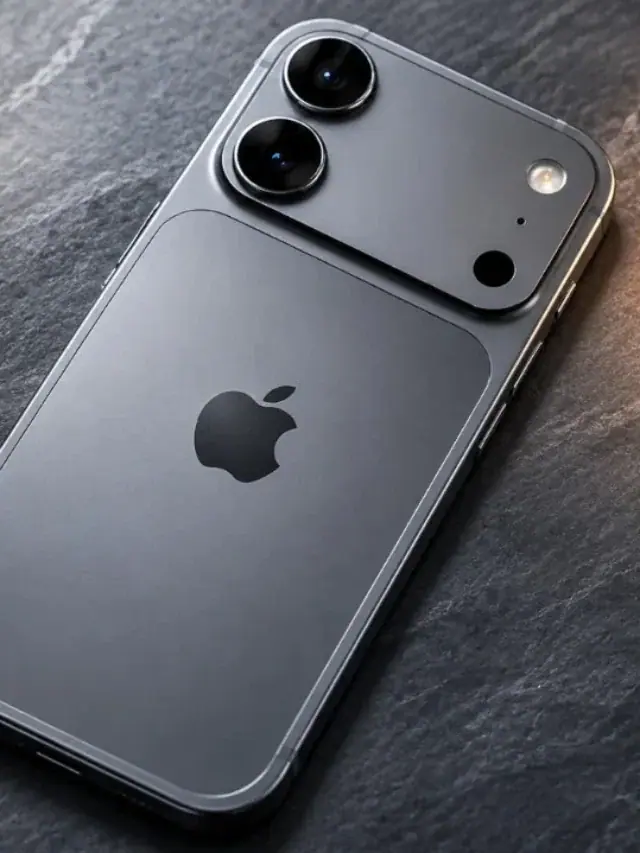
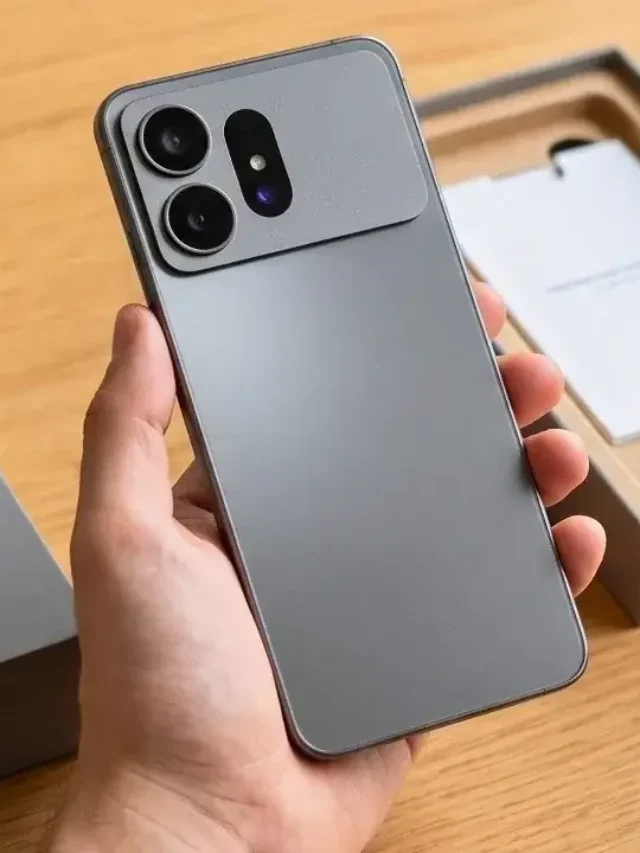
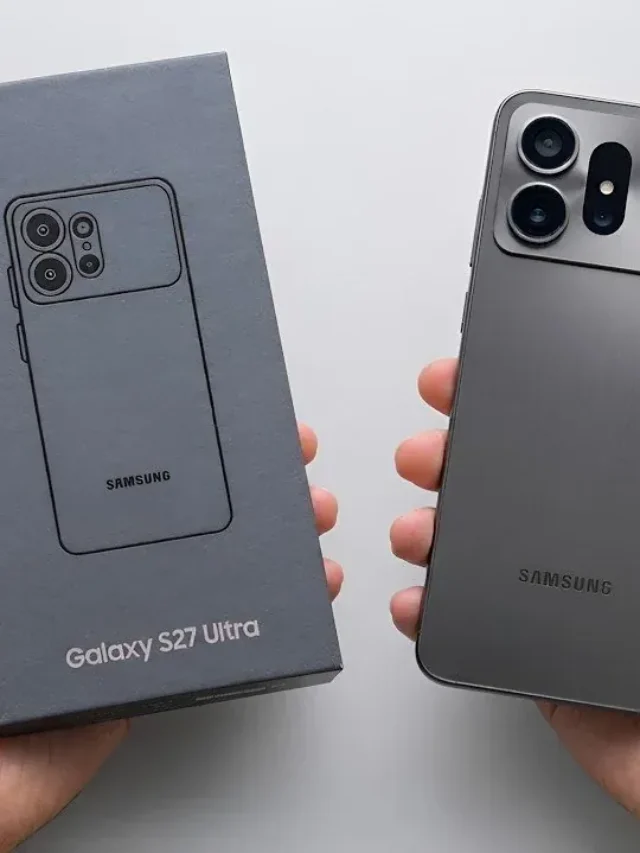
- Major Design Overhaul: Leaked dummy units reveal a wide, horizontal camera island replacing Samsung’s signature floating vertical rings.
- Battery & Chipset Boost: Supply chain data points to a massive 5,700mAh silicon-carbon battery and Qualcomm’s 2nm Snapdragon 8 Elite Extreme Gen 6 processor.

TechKomo Disclaimer: The details discussed below are based on early industry leaks, CAD renders, and supply chain reports. Official specifications and pricing may vary upon launch.
Will relying on digital sensor cropping between 1x and 5x ruin portrait photography, or is Samsung hiding a software trick up its sleeve?
In simple terms, Samsung is removing the middle zoom lens that handles medium-range portraits. Instead, the phone will crop into its massive 200MP main sensor to simulate 2x and 3x zoom shots before switching to the 5x periscope lens.
Why Samsung Galaxy S27 Ultra Camera Leaks Shocked Fans
Since the Galaxy S20 Ultra debuted in 2020, having four distinct rear cameras defined Samsung’s top-tier identity. However, fresh schematics and dummy models circulating this week prove that era is officially over.
Industry insiders reveal that Samsung is stripping out the aging 10MP 3x telephoto lens found on previous models. Consequently, the upcoming flagship will rely entirely on a triple-lens configuration. This move aligns the Ultra with the newly rumored Galaxy S27 Pro, though each device takes a different approach to optical reach.
Rising component costs across the mobile supply chain appear to be driving this hardware consolidation. Memory prices have surged globally, forcing manufacturers to trim secondary camera hardware to protect profit margins. Therefore, Samsung is betting that fewer, higher-resolution sensors will satisfy power users without inflating retail prices.
Breaking Down the New Triple-Lens Sensor Hardware
While losing a physical lens hurts on paper, the remaining sensors do receive notable generational upgrades. Specifically, Samsung is retiring the older HP2 primary sensor in favor of the brand-new 200MP ISOCELL HP6.
Primary and Ultra-Wide Upgrades
This new 200MP primary shooter features a 1/1.3-inch optical format and a fast f/1.4 aperture for superior low-light capture. Alongside it sits a 50MP ultra-wide camera powered by either the ISOCELL JN3 or Sony IMX855 sensor. Furthermore, front-facing selfies finally jump from 12MP to a sharper 16MP sensor.
The 5x Periscope Compromise
For long-range zoom, the Ultra retains a 50MP periscope telephoto lens delivering 5x optical zoom. Meanwhile, the smaller Galaxy S27 Pro reportedly keeps a 3x optical zoom lens, creating an unusual capability split between the two top models.
Without a dedicated 3x sensor, the Ultra must bridge a massive focal gap between 23mm and 115mm. As a result, any shot taken at 3x or 4x magnification will depend heavily on computational pixel binning and AI sharpening.
Horizontal Camera Island and Leaked Specifications
Beyond the sensor changes, leaked physical dummy units confirm a radical departure in industrial design. Samsung is abandoning its minimalist floating rings for a full-width, horizontal camera plateau.
The new chassis measures roughly 163.8 x 78.3 x 8 mm (6.45 x 3.08 x 0.31 inches), making it fractionally thicker than its predecessor. Inside this frame, Samsung is finally embracing silicon-carbon battery technology, boosting capacity from 5,000mAh to 5,700mAh.
| Specification | Samsung Galaxy S27 Ultra (Leaked) |
|---|---|
| Processor | Qualcomm Snapdragon 8 Elite Extreme Gen 6 (2nm) |
| Display | 6.9-inch Dynamic LTPO AMOLED 2X, 120Hz, 1440 x 3120 pixels |
| Rear Cameras | 200MP Main (HP6) + 50MP Ultra-Wide + 50MP Periscope (5x optical) |
| Front Camera | 16MP Wide (ISOCELL 2P5) |
| Battery & Charging | 5,700mAh Si/C Li-Ion, 60W wired, 25W Qi2.2 wireless |
| Memory & Storage | 12GB / 16GB LPDDR6 RAM, 256GB / 512GB / 1TB UFS 4.X |
| Software | Android 17 with One UI 9.5 (7 years of OS updates) |
| Expected Price | $1,299 (approx. ₹1,09,000 / €1,190 / £1,020) |
Samsung is expected to unveil the lineup at its Unpacked event in January or February 2027, likely starting at 10:00 AM PT / 1:00 PM ET / 6:00 PM GMT. Pricing is projected to hold steady at $1,299 (approx. ₹1,09,000 / €1,190 / £1,020) for the base 256GB tier.
The Bigger Picture
By cutting a physical zoom lens while Chinese rivals pack dual periscope cameras and one-inch sensors into their flagships, Samsung is taking a massive calculated risk. If Apple’s upcoming iPhone 18 Pro Max and competing Android flagships deliver superior mid-range portrait clarity, Samsung’s cost-saving hardware consolidation could severely weaken its longtime reputation as the undisputed camera king.
Unfiltered Opinion
Dropping the 3x telephoto lens feels like an unwelcome step backward for a $1,299 (approx. ₹1,09,000 / €1,190 / £1,020) Ultra flagship. Even though the old 10MP sensor was overdue for an upgrade, replacing it with nothing rather than a modern 50MP unit screams budget-cutting. Fortunately, the jump to a 5,700mAh silicon-carbon battery and the 2nm Snapdragon chip will deliver tangible daily benefits. Still, mobile photography purists who shoot heavily at 70mm focal lengths have every right to feel shortchanged until real-world camera samples prove otherwise.
- K.K., Founder of TechKomo