The TechKomo 2026 Tech Awards shortlist is officially live, pitting Silicon Valley titans against aggressive hardware challengers in a battle where industry dominance hangs by a thread. After months of rigorous lab testing across mobile, silicon, and spatial computing, our editorial board narrowed dozens of releases down to an elite tier of engineering excellence.
- Mobile Heavyweights Clash: The Samsung Galaxy S26 Ultra faces off against the Apple iPhone 18 Pro and Google Pixel 10 Pro for flagship supremacy.
- Silicon Efficiency Leap: Next-generation 3nm and 2nm architectures pushed laptop battery endurance past the 22-hour mark.
- Mainstream Mixed Reality: Spatial computing hit mass-market affordability with the $299 (approx. ₹25,000 / €275 / £235) Meta Quest 3S.
- Global Community Voting: Reader ballots open worldwide on Friday at 9:00 AM PT / 12:00 PM ET / 5:00 PM GMT, accounting for 40% of the final score.

Will legacy hardware giants hold their ground, or are dark-horse contenders about to steal the crown from Silicon Valley’s biggest names?
To understand why this year’s TechKomo 2026 Tech Awards matter, you have to look at on-device neural processing. Instead of sending your requests to distant cloud servers, modern chips run complex artificial intelligence directly on your phone or laptop. This shift delivers instant responses, stronger privacy, and drastically lower power drain during heavy daily workloads.
Flagship Smartphones Battle in the TechKomo 2026 Tech Awards
Mobile engineering reached a fierce inflection point this year as hardware makers prioritized sustained thermal stability over hollow synthetic benchmarks. Every smartphone finalist on our shortlist survived grueling multi-hour stress tests before earning a nomination.
Samsung Galaxy S26 Ultra vs. Apple iPhone 18 Pro
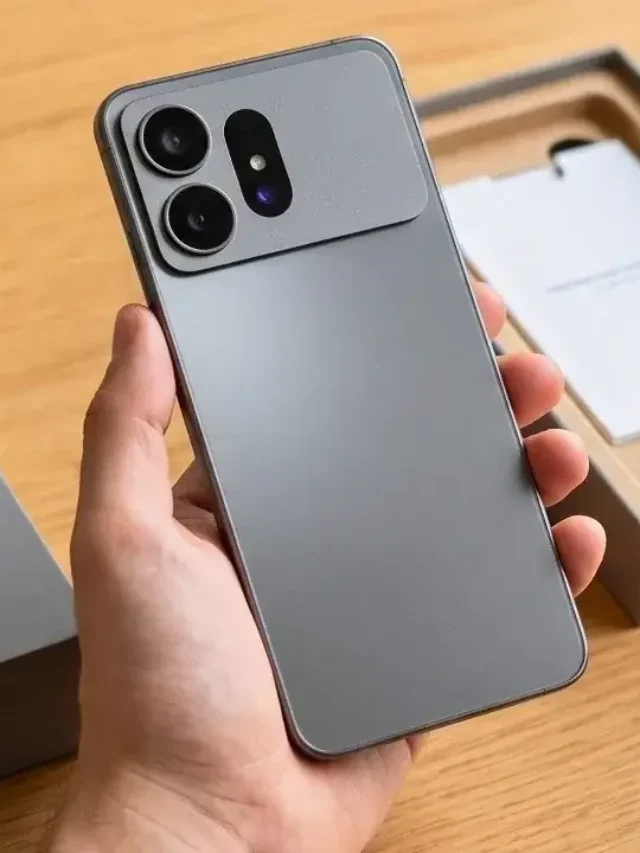
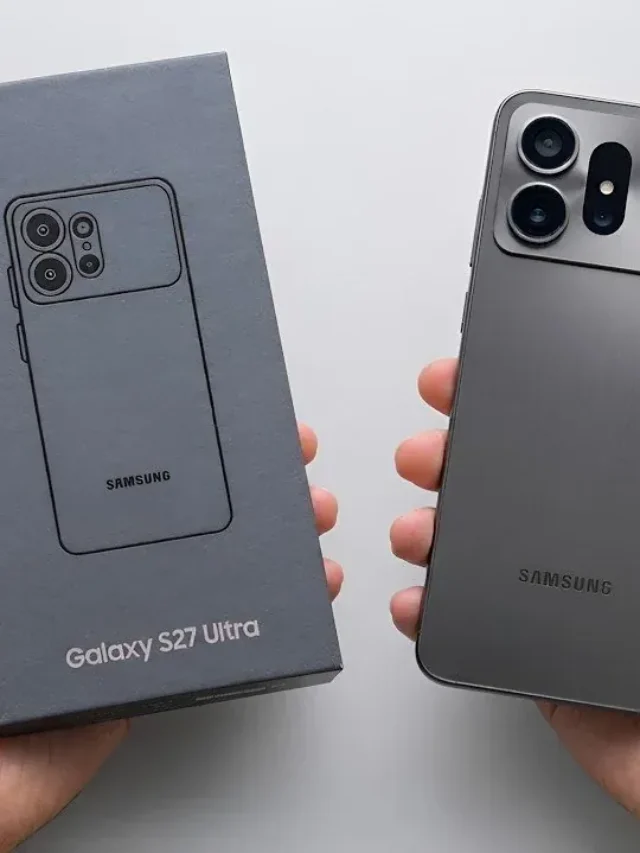
Samsung anchored its flagship bid with the Galaxy S26 Ultra, pairing a Snapdragon 8 Elite Gen 2 processor with a massive 200MP main sensor. Its dynamic panel reaches a blinding 3,200 nits of peak brightness, while built-in satellite cellular messaging keeps users connected off the grid. Starting at $1,299 (approx. ₹1,08,000 / €1,190 / £1,025), it remains the ultimate productivity powerhouse.
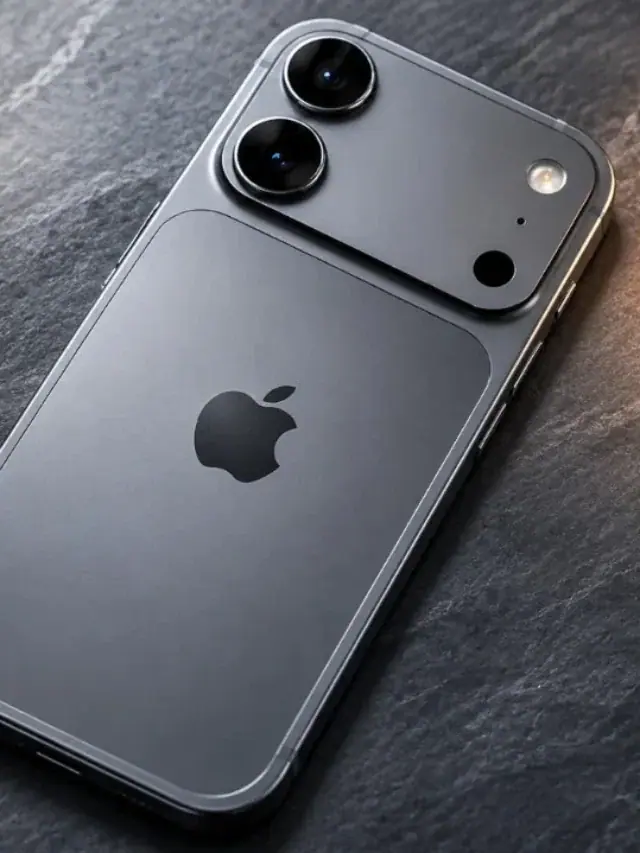
Apple countered with the compact iPhone 18 Pro, proving smaller frames do not require performance compromises. Driven by the A19 Pro chip and a 6.3-inch ProMotion OLED display, it balances raw speed with pro-grade video workflows at $999 (approx. ₹83,000 / €915 / £790). Meanwhile, Google claimed the computational photography slot with the Pixel 10 Pro, running local generative imaging directly on its Tensor G5 chip and 48MP 5x periscope lens for $999 (approx. ₹83,000 / €915 / £790).
Computing Silicon Shatters Battery Records
Personal computing underwent a quiet revolution as chip architects squeezed unprecedented efficiency out of 3nm and 2nm fabrication nodes. Fans rarely spun up during our editorial testing, even when rendering multi-stream 4K timelines on battery power.
The Apple MacBook Pro 14 headlines our Laptop of the Year category, powered by the M5 Pro chip and delivering a verified 22-hour battery life at $1,999 (approx. ₹1,66,000 / €1,830 / £1,580). In the Windows ecosystem, the Dell XPS 14 Copilot+ earned the OLED Ultrabook nod by combining an Intel Core Ultra 200V processor with a crisp 3.2K Tandem OLED panel for $1,699 (approx. ₹1,41,000 / €1,560 / £1,340). Mobile gamers also saw major gains from the Asus ROG Zephyrus G16, which packs an NVIDIA RTX 5080 Laptop GPU inside a sleek aluminum chassis.
Spatial Computing and Wearables Mature
Beyond phones and laptops, emerging form factors finally moved past early-adopter novelty into reliable everyday utility. Supply chain insiders indicate that improved manufacturing yields on lightweight pancake optics allowed spatial headsets to drop into impulse-buy territory.
The Meta Quest 3S brought mixed reality gaming to mainstream budgets at just $299 (approx. ₹25,000 / €275 / £235). On the wrist, the Apple Watch Ultra 3 claimed the Wearable of the Year nomination by pairing a bright Micro-LED screen with a 72-hour battery life at $799 (approx. ₹66,500 / €730 / £630). Even autonomous home robotics stepped up, with new cleaning bots deploying articulated lifting arms to clear multilevel floor obstacles unassisted.
TechKomo 2026 Tech Awards Contenders Comparison
| Category | Finalist Device | Processor / Chipset | Display / Key Spec | Battery / Feature | Starting Price |
|---|---|---|---|---|---|
| Flagship Phone | Samsung Galaxy S26 Ultra | Snapdragon 8 Elite Gen 2 | 3,200 nits Dynamic AMOLED | 200MP Camera, Satellite SOS | $1,299 (approx. ₹1,08,000 / €1,190 / £1,025) |
| Compact Flagship | Apple iPhone 18 Pro | Apple A19 Pro | 6.3-inch ProMotion OLED | ProRes Video, Titanium Frame | $999 (approx. ₹83,000 / €915 / £790) |
| Computational Camera | Google Pixel 10 Pro | Google Tensor G5 | 48MP 5x Periscope Telephoto | On-Device Generative Imaging | $999 (approx. ₹83,000 / €915 / £790) |
| Laptop of the Year | Apple MacBook Pro 14 | Apple M5 Pro | Liquid Retina XDR | 22-hour Battery Endurance | $1,999 (approx. ₹1,66,000 / €1,830 / £1,580) |
| OLED Ultrabook | Dell XPS 14 Copilot+ | Intel Core Ultra 200V | 3.2K Tandem OLED | Copilot+ Local AI Acceleration | $1,699 (approx. ₹1,41,000 / €1,560 / £1,340) |
| Wearable of the Year | Apple Watch Ultra 3 | Apple S11 SiP | High-Brightness Micro-LED | 72-hour Battery Life | $799 (approx. ₹66,500 / €730 / £630) |
| Mixed Reality | Meta Quest 3S | Snapdragon XR2 Gen 2 | Full-Color Passthrough | Lightweight Mainstream Optics | $299 (approx. ₹25,000 / €275 / £235) |
How Global Community Voting Decides the Winners
Unlike closed-door industry trophies, the TechKomo 2026 Tech Awards hand direct power to the people actually using this gear every day. While our editorial testing bench accounts for 60% of the final tally, verified reader ballots carry the remaining 40%.
Global voting opens this Friday at 9:00 AM PT / 12:00 PM ET / 5:00 PM GMT. Readers can cast one verified digital ballot per category before polls close next week, leading into our global winner broadcast.
The Bigger Picture
Fierce competition among custom silicon architects forced every legacy manufacturer to abandon lazy, incremental spec bumps this year. Because Apple, Qualcomm, Google, and Intel all chased aggressive performance-per-watt targets simultaneously, everyday buyers gained multi-day battery life and cooler devices across every price bracket. Rivals can no longer hide behind bloated software roadmaps when efficiency has become the primary battleground.
Every finalist on this list earned its spot by taking genuine engineering risks rather than playing it safe. Whether you prioritize pocket-sized camera versatility or marathon laptop endurance, this year’s hardware lineup sets an intimidating baseline for 2027. Head over to the ballot box, back the machines that actually deliver in the real world, and help crown the rightful champions.
- K.K., Founder of TechKomo