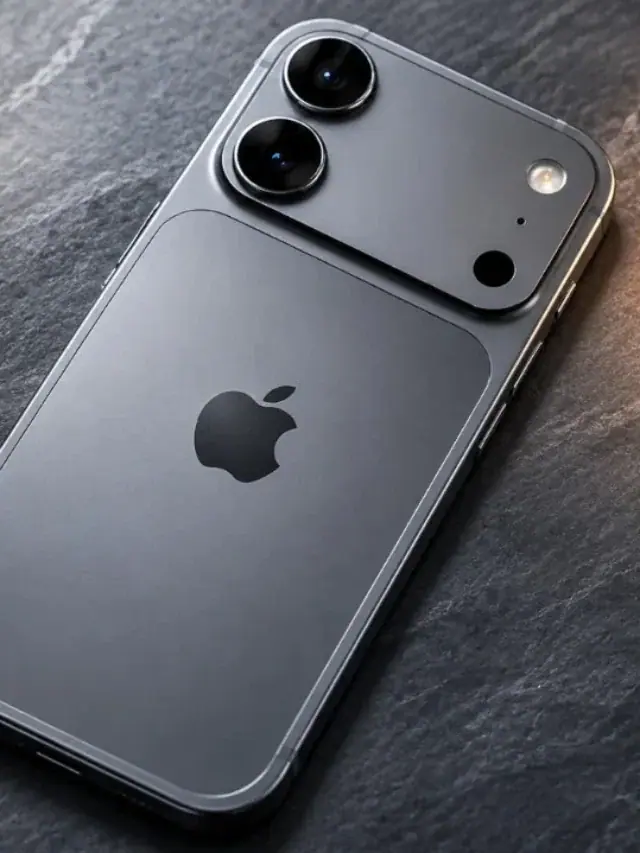
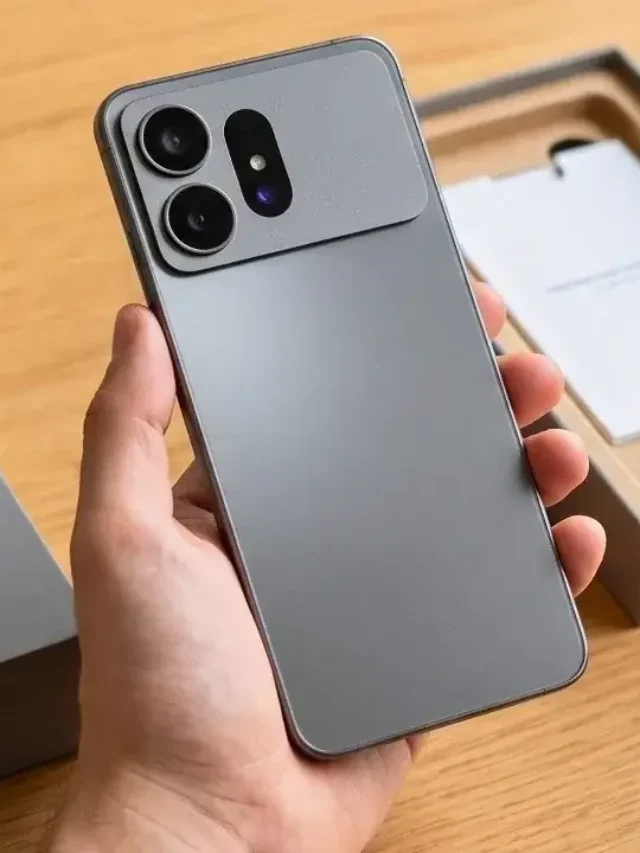
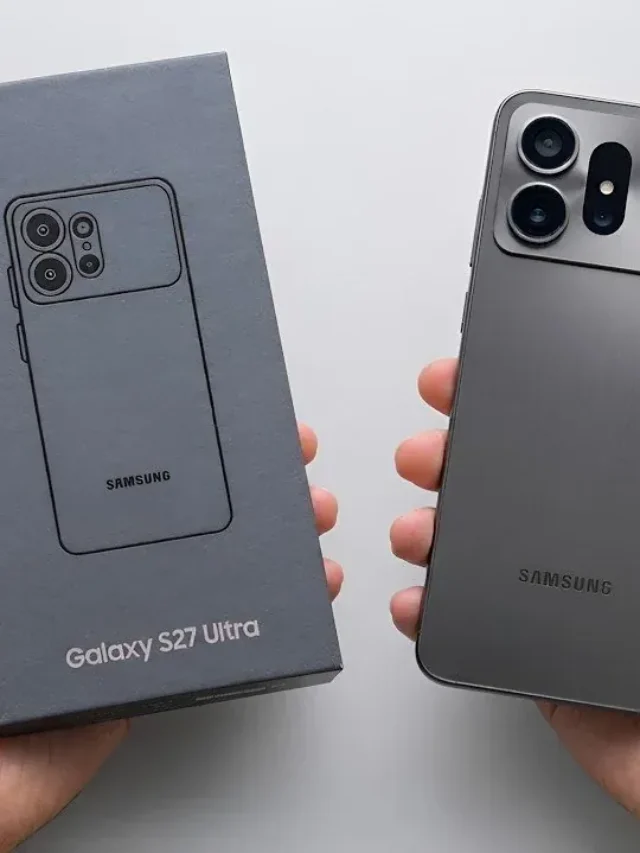
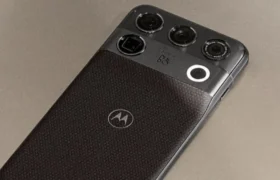
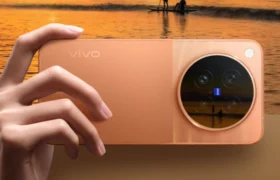
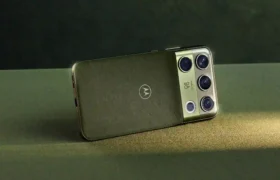
Early hardware leaks surrounding the Xiaomi 18 Pro back display prove that standard glass-slab smartphones have run out of fresh ideas. While rivals keep recycling identical aluminum frames, Xiaomi is transforming the rear camera module into an interactive secondary screen. However, this bold hardware leap exposes a massive software blind spot inside Google’s core Android operating system.
- Secondary LTPO Panel: Supply chain leaks point to an upgraded 2.7-inch (68.6 mm) rear OLED screen with 1Hz to 120Hz adaptive refresh rates.
- Pro-Grade Selfies: Users can frame self-portraits using the main 50MP rear camera system instead of a compromised front punch-hole sensor.
- Standby Power Savings: Offloading quick glance alerts to the rear screen reduces main display wake-ups and saves 12% to 18% daily battery drain.
- Android OS Bottleneck: Google lacks native dual-screen APIs for non-folding phones, forcing Xiaomi to build custom HyperOS workarounds.

TechKomo Disclaimer: The hardware specifications and software roadmap details discussed below are based on early industry leaks, supply chain reports, and architectural analysis. Official specifications from Xiaomi and Google may vary.
Why should a hardware breakthrough on a Chinese flagship force Google engineers in Mountain View to rewrite Android’s display code? To understand the problem, you have to look at how Android handles secondary screens. Right now, stock Android treats non-folding rear panels like external monitors rather than native phone surfaces. Consequently, third-party apps often freeze, crop awkwardly, or refuse to launch on the back screen without heavy manufacturer hacks.
How the Xiaomi 18 Pro Back Display Redefines Flagship Utility
Xiaomi first tested rear screen utility years ago with a tiny 1.1-inch (27.9 mm) panel on the Mi 11 Ultra. Since then, supply chain insiders indicate that Xiaomi refined the concept across its recent Pro flagships into a seamless edge-to-edge module. The Xiaomi 18 Pro back display reportedly expands this footprint to roughly 2.7 inches (68.6 mm) around the camera lenses. Furthermore, the panel uses LTPO OLED technology capable of dropping down to 1Hz for always-on widgets.
In daily use, this secondary screen eliminates the need to flip your phone face-up every few minutes. You can check live flight boarding passes, control music playback, or monitor ride-share arrival times discreetly. Meanwhile, keeping the main 6.3-inch (160 mm) display powered off prevents accidental distractions during meetings. Industry testing on similar dual-screen setups shows that avoiding 80 to 100 daily main-screen wakes preserves 12% to 18% battery capacity.
Superior Camera Framing Without Front Punch-Hole Compromises
Beyond notifications, the biggest practical advantage of a rear display is unlocking true flagship optics for self-portraits and vlogging. Traditional front-facing cameras suffer from tiny 1/3-inch sensors squeezed behind cramped display cutouts. By contrast, using the Xiaomi 18 Pro back display as a live viewfinder lets creators shoot with a massive 50MP primary sensor. As a result, skin tones, low-light dynamic range, and optical bokeh look dramatically cleaner than any selfie camera on the market.
Additionally, rear framing allows solo creators to record stabilized 4K 60fps or 8K video while monitoring audio levels in real time. You no longer have to guess whether your head is centered inside the frame. Therefore, this single hardware addition turns a standard 195g (6.88 oz) pocketable phone into a legitimate solo production rig.
Why Google Must Build Dual-Screen Support Into Stock Android
Despite Xiaomi’s hardware polish, software fragmentation remains the biggest threat to rear-screen longevity. Google built its modern multi-display tools, including Jetpack WindowManager, almost exclusively around folding phones and tablets. Because a bar-style phone has no physical hinge sensor, stock Android Open Source Project (AOSP) frameworks struggle to route active tasks smoothly. Without native OS hooks, the Xiaomi 18 Pro back display relies on proprietary HyperOS bridges to mirror apps.
This proprietary approach creates frustrating friction for global developers and everyday users alike. For instance, banking apps, global messaging tools, and third-party camera utilities rarely optimize their layouts for custom OEM sub-screens. However, if Google introduces a standardized Secondary Cover Display API in upcoming Android builds, every developer can support rear screens effortlessly. More importantly, native AOSP integration would unify lock-screen security, biometric handoffs, and notification continuity across all Android brands.
Expected Xiaomi 18 Pro Hardware Specifications
While Xiaomi keeps final retail sheets locked down until its official launch keynote, supply chain leaks reveal a clear hardware blueprint. The device pairs next-generation Qualcomm silicon with a compact chassis and dual LTPO OLED panels. Moreover, analysts expect starting prices to stay competitive near $799 (see regional pricing table below) to pressure rival flagships.
| Specification | Xiaomi 18 Pro Details (Leaked & Expected) |
|---|---|
| Processor | Next-Gen Qualcomm Snapdragon 8-Series Flagship Silicon (3nm Process, Rumored) |
| Main Display | 6.3-inch (160 mm) 1.5K LTPO OLED, 1Hz–120Hz Adaptive Refresh Rate |
| Back Display | ~2.7-inch (68.6 mm) Secondary LTPO AMOLED, 1Hz–120Hz, 3,000+ Nits Peak |
| Rear Camera System | Triple 50MP Leica-Tuned Array (Primary Wide, Ultra-Wide, Periscope Telephoto) |
| Front Camera | 32MP In-Display Sensor (Secondary to Rear Viewfinder Framing) |
| Battery & Charging | 6,000mAh+ Silicon-Carbon Cell, 90W–120W Wired & 50W Wireless Charging |
| Operating System | HyperOS Layered Over Android (Custom Dual-Display Window Routing) |
| Estimated Dimensions & Weight | Approx. 8.2 mm (0.32 in) Thickness, ~195g (6.88 oz) Aluminum-Glass Chassis |
| Projected Starting Price | $799 (see regional pricing table below) for 12GB RAM + 256GB Storage |
Xiaomi 18 Pro Global Pricing Conversion
Xiaomi typically unveils its Pro flagships in China before rolling out select variants across Europe and Asia. Because official regional retail tags remain unannounced, the figures below reflect direct currency conversions from the projected $799 (see regional pricing table below) base tier. Keep in mind that final European and Indian retail prices will likely sit higher after local import duties and VAT or GST.
| Region & Currency | Projected Base Price (Converted) |
|---|---|
| United States (USD) | $799 (Projected Base Tier) |
| India (INR) | ₹67,500 (Direct Conversion, Excl. GST) |
| European Union (EUR) | €735 (Direct Conversion, Excl. VAT) |
| United Kingdom (GBP) | £625 (Direct Conversion, Excl. VAT) |
How Secondary Rear Screens Threaten Samsung and Apple’s Safe Hardware Formula
For years, Apple and Samsung have trained flagship buyers to accept incremental camera bumps and minor chip upgrades every autumn. Consequently, a functional rear screen immediately makes standard glass-backed phones look outdated on retail shelves. If Xiaomi proves that secondary displays boost battery life and selfie quality without adding bulk, rivals will face intense pressure to respond. Even better, widespread hardware adoption would finally force Google to treat rear cover screens as first-class citizens inside Android.
Why Great Rear Screen Hardware Still Needs Google’s Blessing
On paper, the Xiaomi 18 Pro back display is one of the smartest ergonomic upgrades in modern smartphone design. You get pro-grade rear camera selfies, lower daily battery drain, and faster glanceable widgets without buying a fragile foldable. However, hardware brilliance only goes halfway when third-party Android apps treat the second screen like an afterthought. Until Google builds native dual-display APIs directly into core Android, Xiaomi’s best feature will remain trapped behind custom software walls.
- K.K., Founder of TechKomo
✓ TechKomo Editorial Standard: This report is independently researched and written by the TechKomo editorial team without any brand sponsorship, paid placement, or external influence.