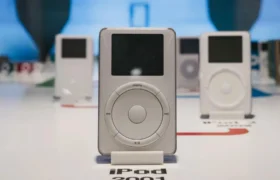
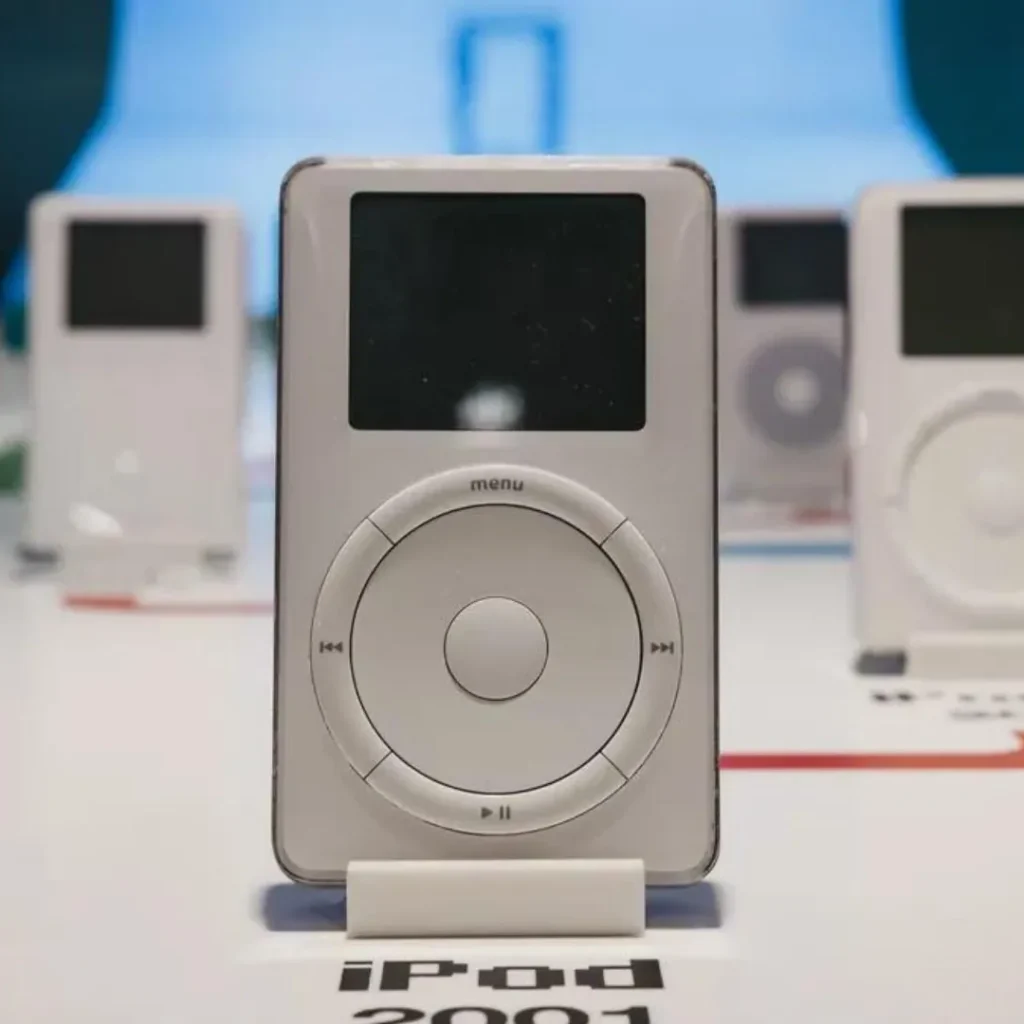
If you type an invalid web address into Apple Music today, an interactive Apple iPod 25th anniversary easter egg instantly resurrects the device that saved Cupertino from bankruptcy.
- Apple deployed a fully functional, browser-based first-generation iPod directly on its official 404 error page.
- The web replica features authentic scroll-wheel physics, a monochrome display, and playable 90-second previews for 1,029 songs.
- Gamers can unlock the secret built-in Brick title by holding the center button on the About screen for 5 seconds.
- The tribute marks 25 years since Steve Jobs first unveiled the music player on October 23, 2001.
Could a tiny, forgotten error page actually teach modern Silicon Valley how to build soulful consumer hardware again?
An easter egg is a hidden digital bonus that software developers intentionally bury inside an operating system or web app for curious fans to uncover.
How to Trigger the Secret Web Click Wheel
You do not need a developer profile or a terminal command to test this software recreation.
Anyone visiting music.apple.com can trigger the retro interface simply by appending any random broken link like /ipod to the root web address.
The standard error message disappears and presents a prompt inviting visitors to give the classic scroll wheel a spin.
Desktop users can drag their mouse across the mechanical wheel or navigate the menu tree directly using their physical keyboard arrow keys.
Mobile users on iOS must tap and hold the web link to avoid triggering the native music streaming app.
Nostalgia Engineering and the Hidden Breakout Clone
Engineering teams meticulously reconstructed the monochrome 160×128 pixel screen layout and vintage menu fonts.
Users can browse Playlists, Artists, and Songs containing classic anthems from Daft Punk, Coldplay, Britney Spears, and U2.
Playback relies on Apple’s standard web preview architecture, delivering crisp 90-second audio clips without asking for a credit card or subscription login.
The software even preserves the classic settings panel, including repeat loops, backlight timers, and audio clicker toggles.
Tucked away in the About menu is an even deeper retro secret.
Holding down the virtual center button for 5 seconds launches Brick, the breakout arcade game designed in the 1970s.
| Specification Feature | 2001 Original Hardware | 2026 Interactive Web Replica |
|---|---|---|
| Primary Interface | Mechanical Scroll Wheel | Click-and-Drag Virtual Scroll Wheel |
| Display Panel | 2.0-inch Monochrome LCD (160×128) | Scaled Responsive CSS Canvas Replica |
| Storage Capacity | 5GB Mechanical Hard Drive (1,000 songs) | Cloud Web Stream Library (1,029 tracks) |
| Audio Playback | Full MP3 / AIFF / WAV Local Files | 90-second AAC Audio Stream Previews |
| Embedded Easter Egg | Hidden Breakout “Brick” Game | Fully Playable Virtual “Brick” Arcade |
| Original Launch Price | $399 (approx. ₹33,200 / €365 / £315) | $0.00 (Free Global Web Access) |
| Original Weight | 184g / 6.5 oz | 0g / 0 oz (Browser Native) |
The Hardware Revolution That Saved Steve Jobs
When Apple announced the music player on October 23, 2001, Wall Street analysts widely panned the concept.
Tech pundits doubted consumers would ever pay $399 (approx. ₹33,200 / €365 / £315) for a portable hard drive weighing 184g / 6.5 oz.
Yet the famous promise of putting 1,000 songs in your pocket quickly dismantled the entire music distribution industry.
It established the retail supply chains, hardware miniaturization, and software licensing frameworks that later enabled the smartphone revolution.
Apple eventually retired the dedicated hardware line on May 10, 2022, when the final seventh-generation iPod Touch left store shelves.
The Bigger Picture
Today’s hardware ecosystem is saturated with generic glass rectangles, algorithm-driven feeds, and endless cloud subscriptions.
By pushing an authentic offline-feeling click wheel to its error servers, Apple sends a subtle market signal across Cupertino and rival boardrooms.
The initiative reminds consumers that Apple’s enduring brand loyalty was earned through tactile design whimsy rather than aggressive service monetization.
Unfiltered Opinion
Modern consumer technology feels increasingly sterile, making this tribute an absolute breath of fresh air.
Opening a browser tab to hear mechanical clicker sounds while batting digital bricks delivers more genuine delight than another quarterly interface redesign.
Dedicated music players might never return to mass production, but tech companies desperately need to remember the fun that made us fall in love with them in the first place.
- K.K., Founder of TechKomo