Understanding variable aperture technology is essential if you want to master modern smartphone photography.
Smartphone manufacturers are racing to pack DSLR-grade optical tricks into pocket-sized glass.
Quick Highlights:
- Variable aperture physically alters the lens opening to control incoming light.
- It delivers natural optical bokeh instead of relying on flawed software portrait modes.
- Industry supply chain leaks indicate Sony and Samsung are standardizing this feature for upcoming flagship sensors.
- Mastering this hardware unlocks true creative control over depth of field and low-light performance.
TechKomo Disclaimer: The hardware details discussed below reflect current manufacturing trends and early supply chain leaks. Official specifications may vary by regional release.
Are you tired of artificial portrait blurs cutting off your hair and glasses in photos?
Decoding the Physics of Variable Aperture
Most phones rely on a single, fixed mechanical opening to let light hit the sensor.
This fixed setup forces software algorithms to fake background blur during portrait shots.
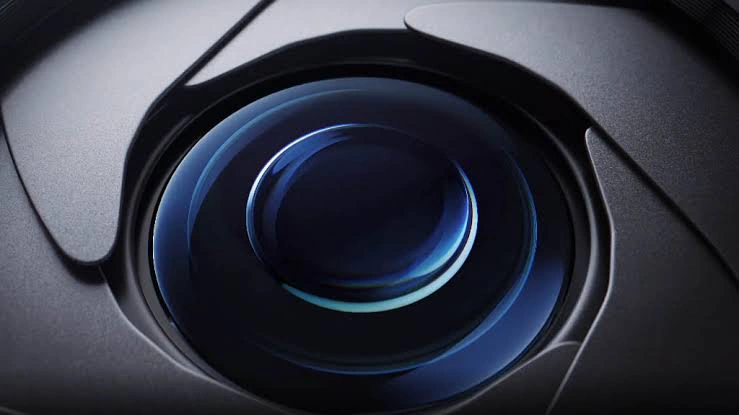
Variable aperture introduces physical blades that expand or contract inside the camera module.
Think of it like the human pupil adjusting to bright sunlight or a dark room.
A wider opening lets in massive amounts of light for dim indoor environments.
A narrower opening restricts light to keep bright daylight scenes from blowing out.
This mechanical shift alters the physical depth of field without relying on artificial intelligence tricks.
Why Your Next Phone Needs This Hardware
Fixed lenses force a compromise between sharp group photos and dramatic portrait backgrounds.
A wide setting like f/1.4 creates a dreamy, soft background behind your subject.
Stepping down to f/4.0 keeps every face in a large group photo tack-sharp.
Industry insiders note that mobile sensors now capture so much detail that fixed lenses limit their true potential.
Shooting landscape vistas at f/2.0 or tighter eliminates the blurry edges common on older devices.
Low-light street photography benefits immensely from a physical f/1.6 threshold.
Sensors capture cleaner images without crushing details with aggressive noise reduction software.
The Evolution from DSLR to Pocket Glass
Traditional cameras relied on mechanical iris rings for over a century.
Early mobile pioneers experimented with dual-step mechanical blades years ago with mixed market results.
Miniaturizing these high-precision motors inside a 7.8mm phone chassis proved extraordinarily difficult.
Advancements in micro-actuators now allow smooth, silent transitions between multiple stop points.
Global engineering teams have finally solved thermal throttling issues during rapid aperture shifts.
Consumers can now expect seamless transitions whether filming a 4K video at 60fps or snapping rapid street bursts.
| Camera Specification | Traditional Fixed Lens | Advanced Variable Aperture |
|---|---|---|
| Aperture Range | Fixed at f/1.8 or f/2.2 | Adjustable between f/1.4 and f/4.0 |
| Depth of Field | Software-dependent portrait blur | True optical background separation |
| Low-Light Performance | Prone to diffraction artifacts | Optimized light intake per scene |
| Group Sharpness | Soft edges on wide group shots | Uniform edge-to-edge sharpness |
| Global Pricing Impact | Standard component cost | Adds $50 to $100 in flagship tier bills |
The Bigger Picture for the Global Mobile Market
The shift toward physical lens control puts immense pressure on brands relying solely on computational photography.
Rivals focusing only on software filters are scrambling to redesign their camera housings.
Supply chain analysts in Asia project that over 35 percent of premium flagships will adopt this hardware by late 2027.
This hardware renaissance proves that physical optics still reign supreme over pure algorithms.
Consumers demand authentic optical performance when spending upwards of $1,200 (€1,100 / £950) on a pocket camera.
Brands failing to adapt risk losing creative enthusiasts to competitors pushing optical boundaries.
Investing in variable aperture technology transforms casual snapshots into professional-grade captures.
The gap between dedicated mirrorless cameras and mobile devices shrinks with every mechanical refinement.
True optical mastery in your palm is no longer a distant sci-fi dream.
It is the defining camera trend reshaping mobile technology today.
- K.K., Founder of TechKomo