Can the Apple iPhone 18 Pro replace a dedicated creator rig, or does the Sony ZV-E10 Mark II still rule the streets?
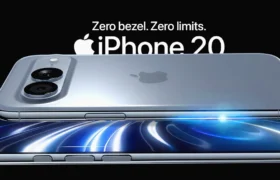
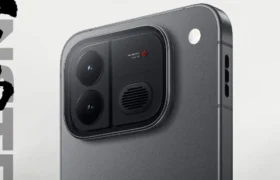
- The Apple iPhone 18 Pro packs a triple 48MP camera setup with a groundbreaking physical variable aperture into a pocket-friendly 211g / 7.44 oz frame.
- The Sony ZV-E10 Mark II relies on a massive 26MP APS-C sensor and interchangeable E-mount lenses for true cinematic depth.
- Priced starting at $999 / €1,199 / £1,099 for the phone versus roughly $999 / €1,099 / £999 for the mirrorless body, creators face a brutal dilemma.
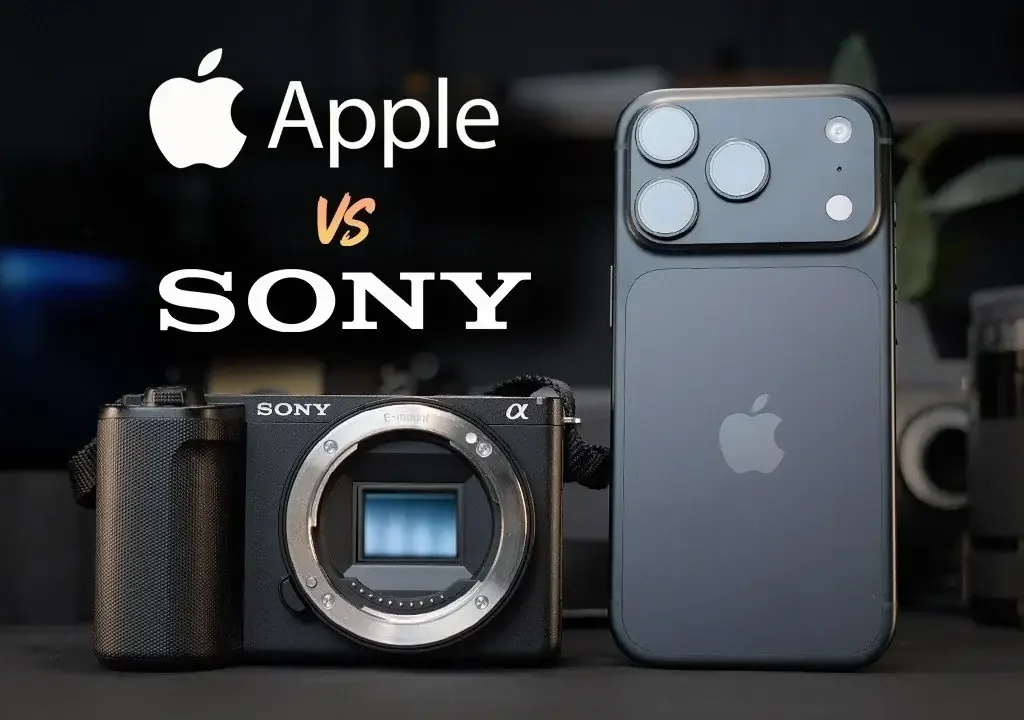
Are you willing to sacrifice pure optical physics for the ultimate convenience of an always-connected pocket computer?
Understanding camera sensor physics often feels like deciphering ancient hieroglyphs, but the core concept comes down to light gathering area. A larger physical sensor captures vastly more photons, translating into natural background blur and superior low-light performance without relying on heavy AI computation.
The Pocket Powerhouse: Apple iPhone 18 Pro Camera Evolution
The smartphone camera war has officially crossed into professional territory with the arrival of the Apple iPhone 18 Pro.
Apple equips this flagship with a revolutionary Apple A20 Pro chip that manages real-time image processing through a dedicated dual 16-core Neural Engine.
For the first time ever, the device introduces a physical variable aperture system on its 48MP main sensor, allowing real optical control over depth of field.
Shooting video at 4K at 120 fps with full Dolby Vision HDR output is no longer a gimmick reserved for heavy cinema lines.
The device features an 6.3-inch Super Retina XDR OLED display boasting an outdoor peak brightness of 3000 nits for flawless daylight framing.
Battery endurance handles heavy shooting streams effortlessly thanks to an efficient 4056 mAh battery supporting rapid 60W fast charging.
The Glass Advantage: Sony ZV-E10 Mark II Real-World Muscle
Stepping away from pocket convenience brings us to the purpose-built Sony ZV-E10 Mark II mirrorless body.
At the heart of this machine sits a physical 23.3 x 15.5 mm APS-C Exmor R CMOS sensor that physically dwarfs any smartphone sensor on the market.
This massive surface area delivers native low-light clarity and organic subject separation that computational photography still struggles to replicate naturally.
Weighing in at 292 g / 10.3 oz for the body alone, it remains remarkably light for an interchangeable lens ecosystem.
Creators gain access to Sony’s massive E-mount catalog, swapping out glass from wide anamorphic primes to heavy telephotos depending on the shoot.
The camera records crisp 4K at 60 fps video with robust color profiles designed for fast grading in post-production workflows.
Head-to-Head Technical Breakdown
| Feature / Spec | Apple iPhone 18 Pro | Sony ZV-E10 Mark II |
|---|---|---|
| Primary Sensor | Triple 48MP array (1/1.28-inch main) | 26MP APS-C Exmor R CMOS |
| Processor | Apple A20 Pro (2nm architecture) | BIONZ XR Image Processing Engine |
| Display | 6.3-inch 120Hz OLED (3000 nits) | 3-inch Articulating Touchscreen LCD |
| Battery & Charging | 4056 mAh with 60W fast charging | NP-FZ100 high-capacity rechargeable pack |
| Base Price | $999 / €1,199 / £1,099 | $999 / €1,099 / £999 (Body only) |
| Weight | 211 g / 7.44 oz | 292 g / 10.3 oz (Body only) |
Workflow Friction and Ecosystem Realities
Choosing between these two devices ultimately boils down to how fast you need your footage online.
Industry leaks indicate that modern content pipelines demand instant turnaround, an area where the iPhone completely dominates its rivals.
You record natively, edit inside mobile applications, and upload straight to global platforms over blazing Wi-Fi 7 connectivity within seconds.
Conversely, the mirrorless workflow requires SD card offloading, proxy generation, and desktop rendering suites before a single file goes live.
Yet, serious videographers know that physical glass versatility always wins when a client demands clean, uncompressed HDMI output and dedicated XLR audio handles.
The Bigger Picture
The rapid evolution of computational mobile photography continues to compress profit margins for entry-level dedicated cameras.
Traditional camera manufacturers are forced to pivot toward specialized thermal management, modular rigging, and massive sensor surface areas to justify their existence against pocket-sized powerhouses.
As mobile chips pull closer to desktop performance tiers, the gap in pure processing closes, leaving raw optical physics as the final battleground.
Unfiltered Opinion
If you primarily shoot fast-paced social content, travel light, and demand instant cloud workflows, the Apple iPhone 18 Pro is an absolute masterpiece that easily justifies its cost.
Purists, narrative filmmakers, and studio creators who demand uncompromised bokeh and lens swapping flexibility will still find the Sony ZV-E10 Mark II to be a far wiser investment.
- K.K., Founder of TechKomo