Fresh leaks revealing the Samsung Galaxy A38 camera details just exposed Samsung’s most controversial mid-range strategy yet.
Quick Highlights:
- Recycled Imaging Hardware: The leaked configuration retains a 50MP primary lens, an 8MP ultrawide sensor, a 5MP macro unit, and a 12MP front selfie camera.
- Zero Optical Upgrades: Hardware sensors directly mirror the camera modules deployed on both the Galaxy A37 and older generations.
- Silicon Compensation: Any photo enhancements will rely strictly on newer chipset ISPs and computational photography algorithms.
- Target Launch Window: Expected unveiling around March 2027 alongside early morning announcements typically scheduled at 02:00 PT / 05:00 ET / 10:00 GMT.
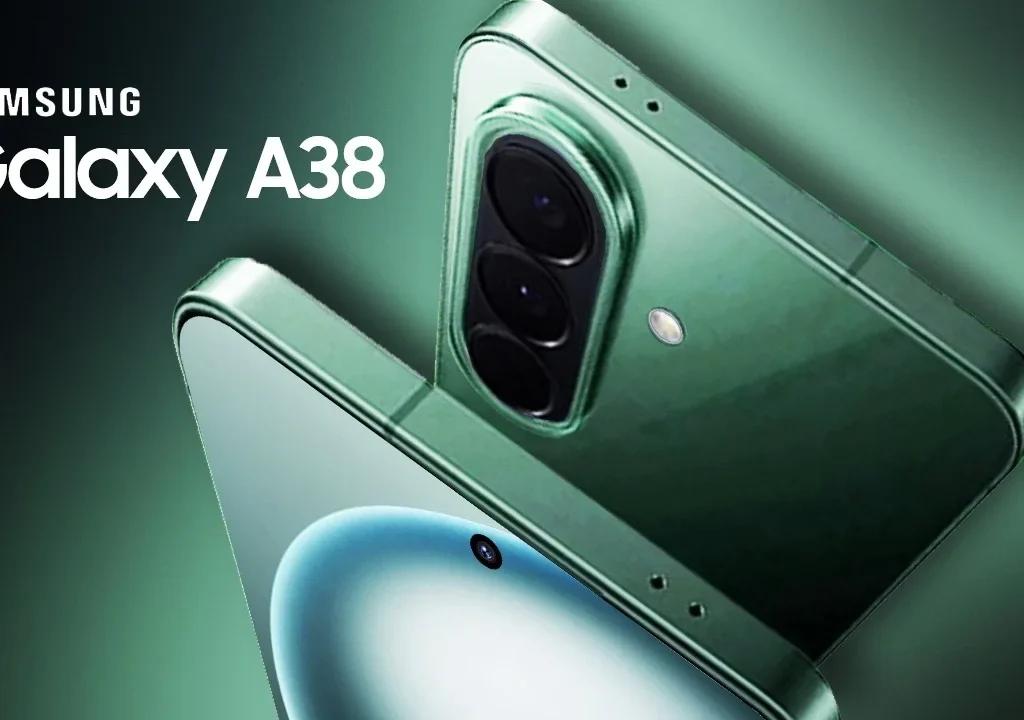
Are mobile buyers truly ready to pay next-generation prices for recycled camera sensors?
In everyday terms, keeping identical image sensors means the physical glass and silicon capturing your photos cannot pull in any additional physical light.
Consequently, dynamic range and physical optical clarity remain locked to existing hardware thresholds.
Supply chain insiders indicate that escalating production expenses across global semiconductor lines forced this strategic hardware freeze.
Leaked Hardware Breakdown
| Hardware Component | Leaked Specifications |
|---|---|
| Primary Rear Camera | 50MP, f/1.8 aperture, Optical Image Stabilization (OIS) |
| Ultrawide Camera | 8MP, f/2.2 aperture, 123-degree field of view |
| Macro Camera | 5MP, f/2.4 fixed-focus sensor |
| Front Selfie Camera | 12MP, f/2.2 wide-angle lens, 4K video recording |
| Display Panel | 6.6-inch Super AMOLED, 120Hz refresh rate, FHD+ |
| Battery & Charging | 5000mAh capacity, 25W wired fast charging |
| Target Retail Price | Approximately $399 / €379 / £349 |
| Chassis Weight | Approximately 195g (6.88 oz) |
Industry leaks suggest the primary shooter will continue to produce default 12.5MP pixel-binned images.
Moreover, the persistent inclusion of a dedicated 5MP macro sensor signals that auxiliary utility lenses remain largely ornamental.
Because physical silicon remains unchanged, the device must depend entirely on updated processor tuning for noise suppression.
Therefore, the upcoming chipset upgrade will carry the full burden of improving low-light clarity and color fidelity.
Nevertheless, users who already capture everyday shots on the Galaxy A37 will notice negligible optical differences.
The Bigger Picture
This hardware standstill highlights how fiercely component inflation is squeezing the global mid-range smartphone tier.
Instead of outfitting sub-$400 handsets with premium telephoto sensors, manufacturers are actively choosing cost containment over hardware innovation.
Meanwhile, aggressive rival brands continue pushing faster charging standards and larger image sensors into the exact same price bracket.
My Take
Stagnant camera setups are becoming a frustrating trend across volume sellers, and these Samsung Galaxy A38 camera details confirm that software tricks are replacing true component upgrades.
Unless Samsung couples this package with an exceptionally capable processor and aggressive discounts, upgrading from recent generations will make very little practical sense.
- K.K., Founder of TechKomo