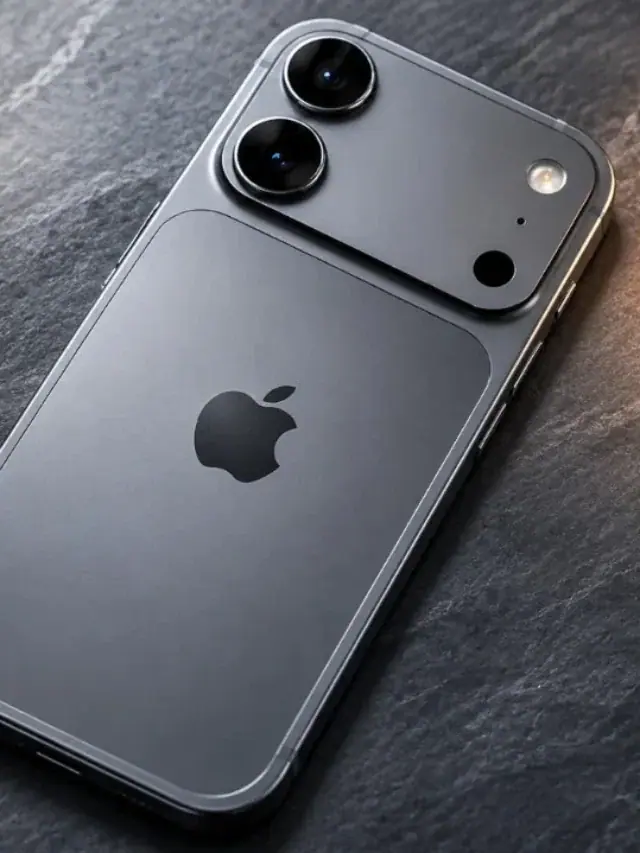
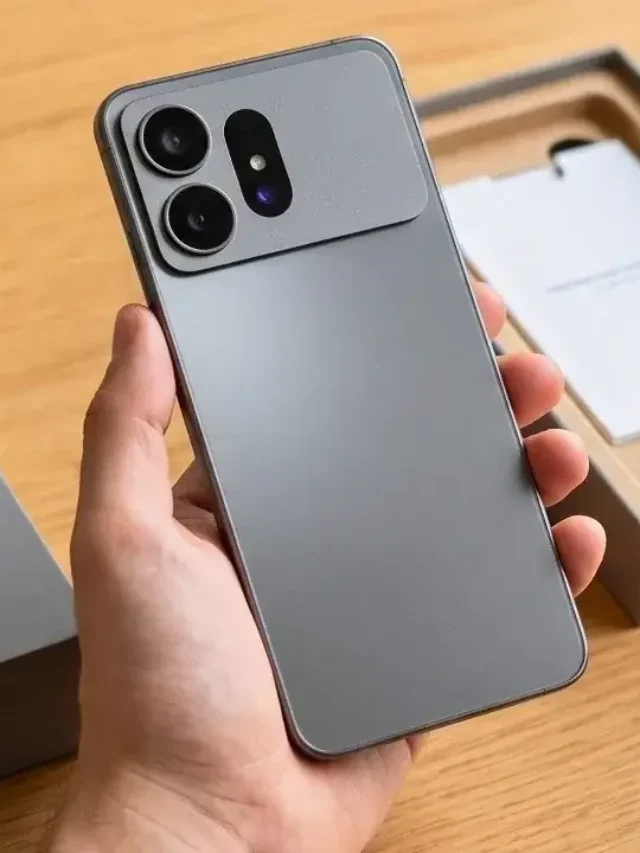
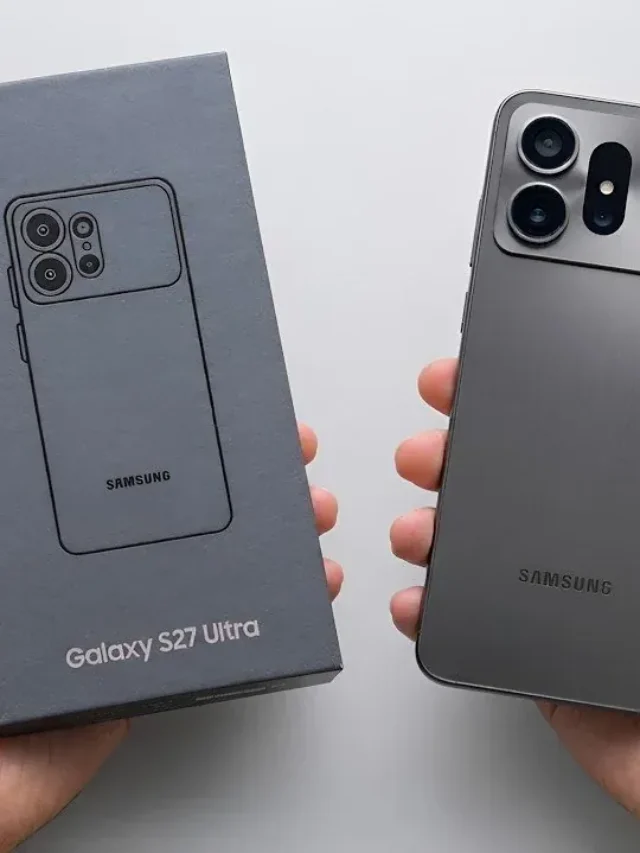
Samsung is preparing a visual shakeup for 2027, yet the Galaxy S27 Pro vs Ultra debate hides a serious optical catch. Early CAD renders indicate both flagships will abandon floating camera rings for a unified metallic camera island. However, buyers expecting identical zoom performance behind that matching exterior could face an expensive surprise.
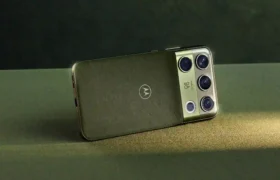
- Unified Design Shift: Both models reportedly adopt a raised, pill-shaped camera housing inspired by classic flagship silhouettes.
- Zoom Hardware Gap: The Galaxy S27 Ultra retains a 5x periscope telephoto lens, while the Pro sticks to a 3x optical sensor.
- Primary Sensor Divide: Leaked schematics point to a 200MP main sensor on the Ultra versus a 50MP unit on the Pro.
- Estimated Pricing: Expect starting prices around $999 (see regional pricing table below) for the Pro and $1,299 (see regional pricing table below) for the Ultra.

TechKomo Disclaimer: The details discussed below are based on early industry leaks and supply chain rumors. Official specifications and pricing may vary upon launch.
Why would Samsung make two differently priced flagships look nearly identical while separating their internal optics? The answer lies in folded periscope optics versus traditional telephoto prisms. Standard telephoto lenses stack glass elements straight toward the sensor, which severely limits focal length inside thin phones. In contrast, periscope modules bend light at a 90-degree angle using a prism, enabling long-range 5x optical magnification without making the chassis bulky.
Why Samsung Unified the Galaxy S27 Pro vs Ultra Camera Island
For years, Samsung differentiated its top-tier Ultra model with standalone lens rings protruding directly from the rear glass. Supply chain insiders indicate that the 2027 lineup consolidates these sensors into a single contoured camera island. Consequently, the Galaxy S27 Pro vs Ultra visual footprint becomes remarkably cohesive at first glance.
Furthermore, this structural change solves a practical durability issue around dust buildup between individual lens bezels. Both phones reportedly feature Armor Aluminum 3 frames alongside Gorilla Armor 2 anti-reflective glass. The Galaxy S27 Pro measures roughly 7.4mm / 0.29 in thick and weighs 192g / 6.77 oz, making it noticeably lighter in daily use. Meanwhile, the larger Galaxy S27 Ultra comes in around 8.2mm / 0.32 in and 218g / 7.69 oz to house internal S Pen components and deeper camera assemblies.
Periscope Physics: Inside the Radical Telephoto Hardware Split
Despite sharing an exterior camera housing, internal component manifests reveal two completely separate imaging architectures. The Galaxy S27 Pro reportedly uses a 50MP standard 3x optical telephoto camera with a 67mm equivalent focal length. This sensor relies on digital cropping for anything beyond 3x, capping lossless reach relatively early.
In contrast, the Galaxy S27 Ultra pairs a 50MP 5x periscope telephoto lens (115mm equivalent) with a secondary 3x mid-range zoom unit. Supply chain reports suggest Samsung is testing upgraded variable-aperture elements and larger 1/2.52-inch sensor footprints for this periscope module. As a result, the Ultra captures roughly 40% more light at 10x hybrid crop levels than the Pro model. Additionally, the primary wide camera remains a major separator between the two siblings. While the Pro utilizes a 50MP 1/1.56-inch sensor, the Ultra deploys a next-generation 200MP 1/1.3-inch sensor for superior detail retention.
Real-World Zoom Scenarios: Where the Pro Falls Behind
For casual portrait shots at 3x magnification, both devices deliver sharp subject separation and natural background blur. However, stepping up to 5x or 10x zoom exposes the physical limitations of the Galaxy S27 Pro. Stadium concerts, wildlife shots, and distant architectural details quickly turn soft on the Pro due to aggressive pixel interpolation.
Meanwhile, the Galaxy S27 Ultra maintains crisp edge contrast up to 10x through hardware-level sensor cropping on its 50MP periscope chip. Video creators also gain 4K at 120fps recording across all focal lengths on the Ultra, whereas the Pro restricts high-frame-rate switching. Therefore, photographers who frequently shoot beyond 70mm will immediately notice the missing periscope hardware.
Silicon, Displays, and Battery Gains Behind the New Chassis
Beyond camera optics, both flagships share next-generation silicon expected to debut at Samsung Unpacked in early 2027 at 10:00 AM PT / 1:00 PM ET / 6:00 PM GMT. Industry leaks suggest Samsung will equip global units with either the 2nm Snapdragon 8 Elite Gen 2 or the Exynos 2700, depending on regional supply allocations. Both processors target a 15% to 20% efficiency improvement alongside faster on-device neural image processing.
On the front, the Galaxy S27 Pro sports a 6.7-inch LTPO AMOLED 2X display with 1Hz to 120Hz adaptive refresh rates and 2,800 nits peak brightness. Conversely, the Galaxy S27 Ultra stretches to a flat 6.9-inch LTPO AMOLED 2X panel rated at 3,000 nits with embedded S Pen digitizer support. Battery capacities also diverge meaningfully, with the Pro packing a 4,900mAh cell and 45W wired charging. Meanwhile, the Ultra leverages high-density battery chemistry to reach 5,200mAh with 60W wired speeds.
Galaxy S27 Pro vs Ultra: Leaked Hardware Comparison
Comparing the Galaxy S27 Pro vs Ultra side by side highlights how Samsung balances shared aesthetics against flagship optical exclusivity. The table below outlines the core hardware differences reported by supply chain sources.
| Specification | Galaxy S27 Pro vs. Galaxy S27 Ultra (Leaked) |
|---|---|
| Processor | 2nm Snapdragon 8 Elite Gen 2 / Exynos 2700 (Both Models) |
| Display | 6.7″ LTPO AMOLED 2X (120Hz) vs. 6.9″ LTPO AMOLED 2X (120Hz, S Pen) |
| Primary Camera | 50MP Wide (OIS) vs. 200MP Wide (OIS, Laser AF) |
| Zoom Hardware | 3x Optical Telephoto (No Periscope) vs. 50MP 5x Periscope + 3x Telephoto |
| Ultrawide Camera | 12MP (120-degree FOV) vs. 50MP (120-degree FOV, Macro) |
| Battery & Charging | 4,900mAh (45W Wired) vs. 5,200mAh (60W Wired) |
| Dimensions & Weight | 7.4mm / 0.29 in, 192g / 6.77 oz vs. 8.2mm / 0.32 in, 218g / 7.69 oz |
| Expected Starting Price | $999 (see regional pricing table below) vs. $1,299 (see regional pricing table below) |
Global Pricing Breakdown: Galaxy S27 Pro vs. S27 Ultra
Leaked retail estimates indicate Samsung intends to hold steady on base pricing across major international markets despite rising 2nm wafer costs. Local taxes, import duties, and regional storage configurations will influence final shelf prices upon release.
| Region & Currency | Projected Starting Price (Pro / Ultra) |
|---|---|
| United States (USD) | $999 / $1,299 |
| India (INR) | ₹89,999 / ₹1,29,999 |
| Europe (EUR) | €1,149 / €1,449 |
| United Kingdom (GBP) | £999 / £1,249 |
How Samsung’s Unified Camera Island Pressures Apple and Google in 2027
Unifying the rear camera design across both top models directly challenges Apple’s visual consistency between its Pro and Pro Max iPhones. Previously, buyers who skipped the Ultra felt stuck with a noticeably simpler aesthetic despite spending nearly $1,000 (see regional pricing table below). By giving the Pro tier the Ultra silhouette while locking 5x periscope optics behind the $1,299 (see regional pricing table below) paywall, Samsung protects its highest profit margins without alienating style-conscious buyers.
Unfiltered Opinion: Identical Looks Cannot Hide a $300 Optical Divide
Giving the Galaxy S27 Pro the Ultra’s sleek new camera island is a smart design move that makes the $999 (see regional pricing table below) flagship feel truly cohesive. However, shoppers must look past the matching exterior before committing their cash. If your photography rarely pushes past 3x portraits, the lighter Pro saves you $300 (see regional pricing table below) without sacrificing core speed. Conversely, anyone who values long-range concert zoom, 200MP cropping flexibility, and S Pen utility still has only one real choice in the Ultra.
- K.K., Founder of TechKomo
✓ TechKomo Editorial Standard: This report is independently researched and written by the TechKomo editorial team without any brand sponsorship, paid placement, or external influence.