Samsung Galaxy Z Fold8 sales Europe numbers just showed an explosive spike, yet the corporate victory lap conceals a glaring commercial catch.
- Sales volume jumped 45% across Europe during the first nine weeks following the launch.
- Google searches across 32 European markets skyrocketed by 260% throughout September.
- The massive spike actually stems from combining two distinct models against a single predecessor.
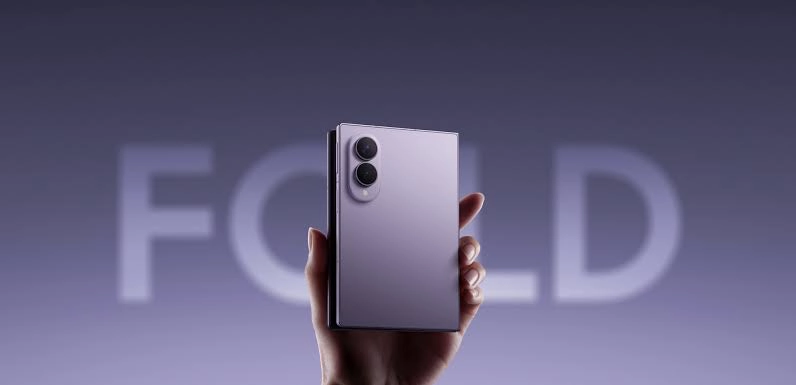
Could Samsung’s triumph actually reveal a tactical vulnerability rather than pure market dominance?
In simple terms, split-tier positioning means a brand sells both a standard flagship and a pricier “Ultra” model simultaneously to capture broader demand.
This dual-device launch fundamentally changes how we evaluate these commercial shipments.
The Raw Math Behind the European Surge
Samsung officially announced that European sales for the new foldable hardware jumped 45% compared to the same release window last year.
The company measured this surge over a nine-week period following the August 7, 2026 launch.
During this timeframe, consumer interest across major regional markets hit extraordinary peaks.
Search interest for book-style foldables exploded by 260% across 32 European markets in September.
Furthermore, search volume spiked by 460% during the second week of September alone.
Supply chain insiders indicate that retail foot traffic across Germany, the UK, and France saw sustained double-digit growth.
However, headline percentage gains often hide vital operational context.
The Big Catch: One Flagship Versus Two Devices
The critical catch lies in the baseline comparison Samsung used for this celebratory milestone.
Last year, European buyers only had access to a single book-style device, the single Galaxy Z Fold7.
This year, Samsung calculated the 45% jump by tallying the combined shipments of two distinct handsets: the standard Galaxy Z Fold8 and the higher-end Galaxy Z Fold8 Ultra.
Selling two smartphones across different price tiers naturally expands total market reach.
Consequently, comparing a dual-device portfolio against a solitary predecessor skews the true organic demand per model.
Furthermore, Samsung completely withheld exact shipment figures and actual revenue metrics from the release.
Without hard unit volumes, determining whether the standard model met internal targets remains impossible.
| Feature & Specification | Galaxy Z Fold8 | Galaxy Z Fold8 Ultra |
|---|---|---|
| Processor | Snapdragon 8 Gen 5 for Galaxy (3nm) | Snapdragon 8 Gen 5 for Galaxy (3nm) |
| Inner Display | 7.6-inch Dynamic AMOLED 2X, 120Hz | 8.2-inch Dynamic AMOLED 2X, 120Hz |
| Cover Display | 6.3-inch Dynamic AMOLED 2X, 120Hz | 6.5-inch Dynamic AMOLED 2X, 120Hz |
| Weight | 232g / 8.18 oz | 219g / 7.72 oz (Titanium chassis) |
| Camera Hardware | 50MP primary + 12MP ultra-wide + 10MP telephoto | 200MP ISOCELL + 50MP periscope + 12MP ultra-wide |
| Battery Capacity | 4,400mAh battery, 25W wired | 5,000mAh battery, 45W wired |
| Starting Price | $1,799 (approx. ₹1,49,000 / €1,650 / £1,420) | $2,199 (approx. ₹1,82,000 / €2,020 / £1,740) |
| Software Support | 7 years of OS & security updates | 7 years of OS & security updates |
Competitor Headwinds Fuel Samsung Galaxy Z Fold8 Sales Europe
The timing of this European search explosion tells a fascinating competitive story.
Industry leaks suggest the September search frenzy coincided directly with delayed shipments from rival smartphone announcements.
European shoppers seeking ultra-premium devices faced lengthy carrier waitlists for alternative ecosystem flagships.
Samsung capitalized on this vacuum by securing immediate shelf availability across European carriers.
Aggressive regional trade-in promotions also knocked up to €600 off retail price tags.
Therefore, the sales boom reflects both clever retail availability and tactical retail pressure.
The Bigger Picture
This split-tier strategy forces rival manufacturers to reconsider their single-flagship foldable strategies across Europe and North America. Chinese original equipment manufacturers have flooded European stores with razor-thin foldables, but Samsung still commands superior carrier relationships. By dividing the Fold lineup into two distinct sizes and price brackets, the Korean tech giant effectively blocks rivals from capturing the high-margin enterprise tier while maintaining a fortress at retail.
Unfiltered Opinion
Splitting a halo device into two variants is the oldest trick in the corporate marketing playbook.
Calling a 45% sales gain an absolute victory while combining numbers from two completely separate phones is disingenuous accounting.
Don’t get me wrong: the Fold8 Ultra is an engineering masterpiece that finally solves the crease and battery issues.
However, inflating retail momentum by stacking two price tiers against last year’s lone handset proves consumer demand for standard foldables is leveling off.
Unless Samsung prices the base foldables aggressively below the four-figure ceiling, these PR celebrations will feel increasingly hollow.
- K.K., Founder of TechKomo