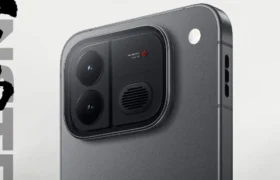
If your flagship device suddenly feels like a pocket heater that stumbles through basic swipes, the widespread Pixel 10 overheating issue is already torching user forums worldwide.
- Global user reports confirm thermal spikes reaching 44°C (111.2°F) during idle states and standard social media scrolling.
- Background CPU core locking inside the system server drops typical frame rates from 120Hz down to a stuttering 38fps.
- Battery telemetry logs indicate unprompted discharge drains of up to 28% per hour with the display turned off.
- The bug appears directly linked to a background process conflict following the latest post-launch security rollout.
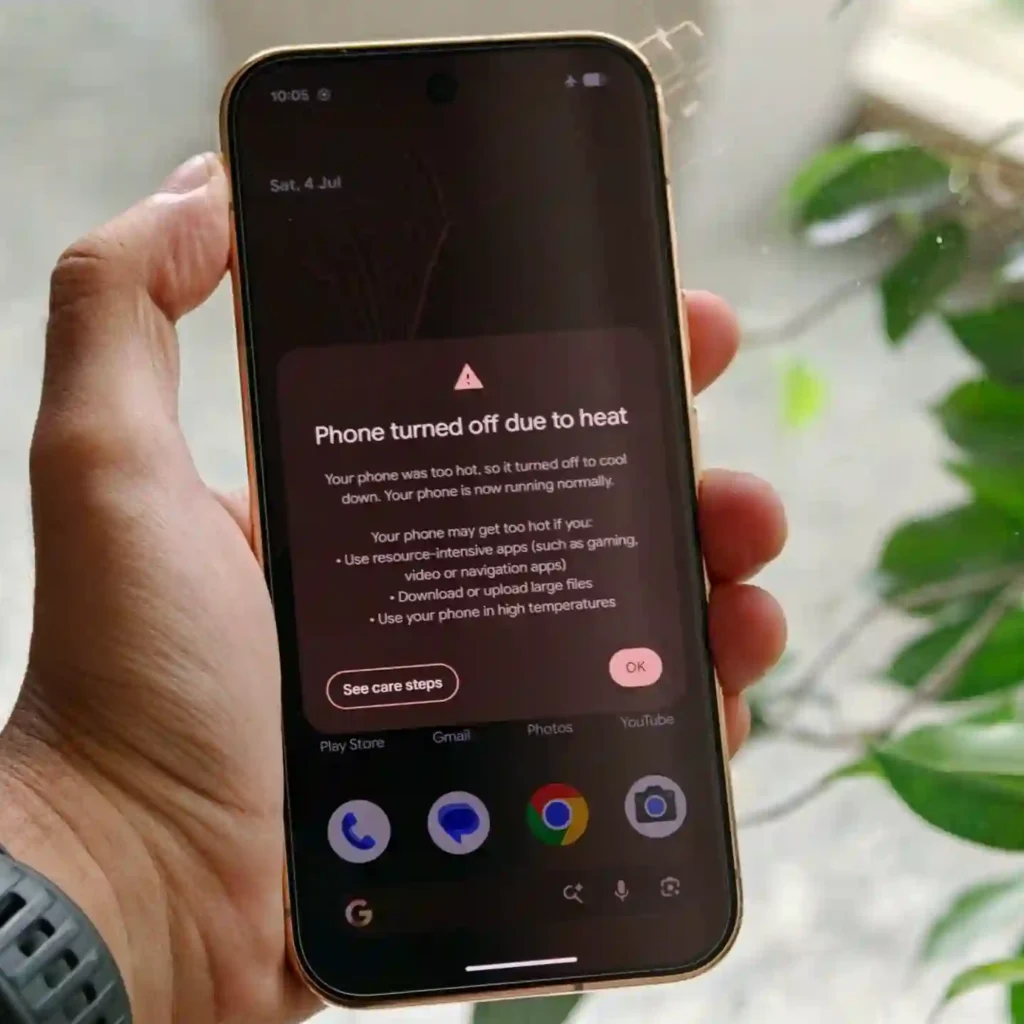
Why is a cutting-edge flagship packing custom silicon suddenly struggling to maintain basic thermal stability?
In simple terms, a background software loop is forcing the processor cores to run at maximum frequency without resting, which floods the chassis with trapped heat and drains the battery.
When internal thermals exceed safety thresholds, the operating system aggressively throttles performance, turning smooth animations into jittery system lag.
Thousands of early adopters across global tech communities are reporting identical thermal spikes immediately after installing the latest update.
The update was pushed globally at 10:00 AM PT / 1:00 PM ET / 5:00 PM GMT, intended as a routine stability and security patch.
Instead, diagnostic logs show that background indexing processes are pinning prime CPU clusters at high usage.
Hardware telemetry tools record core temperatures climbing past 43.5°C (110.3°F) within minutes of waking the display.
Consequently, aggressive thermal throttling kicks in to protect the internal battery chemistry.
Benchmarks run on throttled units show Geekbench multi-core scores collapsing by nearly 42%, falling from 6,500 points down to 3,770 points.
This intense throttling directly triggers severe interface dropouts, camera shutter latency, and stuttering gesture navigation.
Supply chain insiders indicate that the transition to an advanced 3nm node was designed to deliver up to 30% greater thermal efficiency.
However, unoptimized software code can easily override architectural efficiency gains and induce runaway power draw.
Engineers familiar with the software stack suggest that a corrupted Google Play Services thread is preventing the system from entering its low-power deep sleep mode.
Until an official hotfix arrives, early testing shows that manually resetting Google Play Services data and performing a full forced restart temporarily restores normal idle thermals.
| Component | Hardware Specification |
|---|---|
| Processor | Custom Next-Gen Silicon (3nm TSMC Architecture) |
| Display | 6.3-inch Actua OLED, 120Hz LTPO, 3000 nits peak |
| Battery & Charging | 5,000mAh, 30W Wired, Fast Qi2 Wireless |
| Camera Setup | 50MP Primary + 48MP Ultra-Wide with Custom ISP |
| Global Pricing | $799 USD / €899 EUR / £799 GBP |
| Chassis Weight | 198g (6.98 oz) with Vapor Chamber Cooling |
This unexpected thermal defect hands immediate leverage to rival flagship manufacturers who have prioritized software stability over aggressive feature rollouts.
When premium devices stumble on basic thermal dissipation, consumer trust erodes rapidly across both enterprise and casual markets.
My Take
Releasing an update that turns a premium everyday carry into an unusable hand-warmer is unacceptable for a platform holder.
Silicon advancements mean very little if software regressions completely cripple the user experience.
Hold off on installing this specific firmware update until Google officially deploys an emergency hotfix over the air.
- K.K., Founder of TechKomo