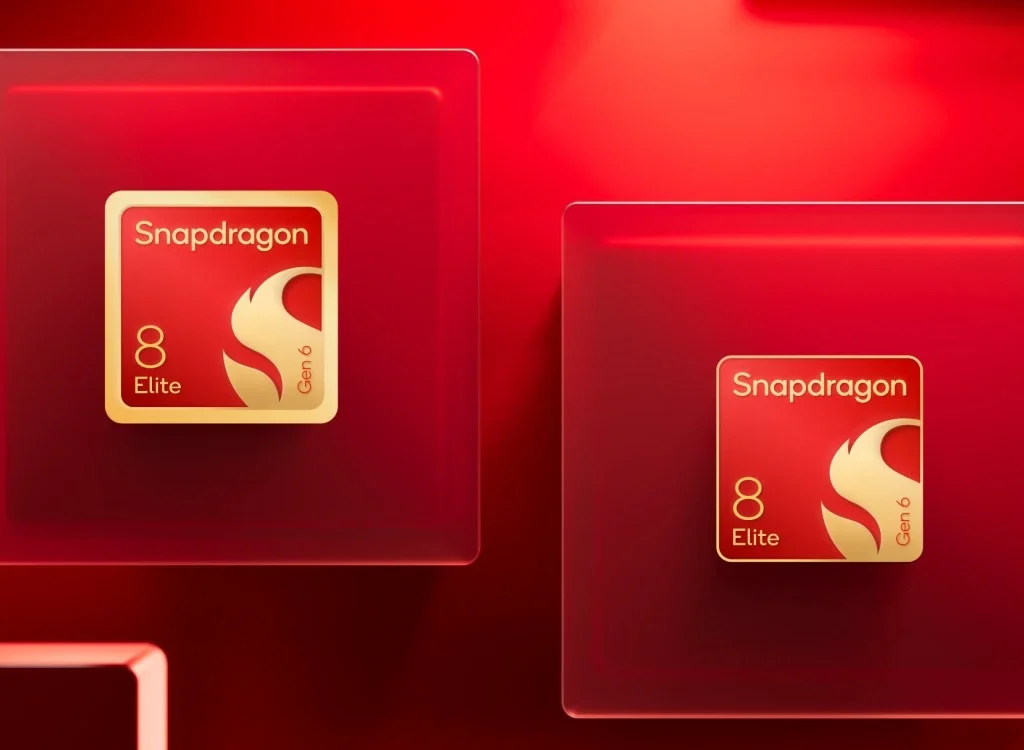
Fresh whispers across the smartphone supply chain triggered alarm bells this week, but Qualcomm is firing back against allegations of Snapdragon 8 Elite Extreme Gen 6 overheating.
- Official Pushback: Qualcomm executive leadership publicly dismissed recent thermal throttling reports as completely inaccurate.
- The Controversy: Internal lab chatter claimed the 5.0GHz peak clock silicon overheated during pre-production stress tests on upcoming flagships.
- The Catch: Company statements specifically defended platform tuning while leaving questions lingering about the highest-tier silicon variant.
- OEM Trajectory: Launch timelines for key 2026 Android flagships remain on track across major global brands.
TechKomo Disclaimer: The details discussed below involve early industry leaks, unreleased pre-production testing, and ongoing platform tuning. Official device performance and retail thermals may vary.
Will pushing mobile silicon past desktop-class speeds permanently break smartphone thermal envelopes?
In simple terms, mobile thermal throttling happens when an ultra-fast mobile chip produces more heat than a slim glass-and-metal phone body can passively dissipate.
Consequently, the device cuts processor speeds automatically to avoid internal hardware damage.
The Heat Wave: Where The Silicon Panic Started
Early testing reports from device manufacturing labs suggested that Qualcomm’s next-gen silicon was hitting dangerous thermal walls.
According to supply chain insiders, test units approaching 4 million to 5 million points in synthetic benchmarks faced drastic sustained performance drops.
Specifically, the gossip centered around higher-clocked silicon slated for late-year flagship hardware.
Furthermore, rumors suggested engineering teams struggled to keep core temperatures stable without active external cooling.
Such volatile thermal whispers quickly sparked fears of a repeat of the infamous silicon throttle eras of the past.
Inside Qualcomm’s Defense Strategy
Qualcomm responded swiftly across global channels to quell escalating consumer anxiety.
Chief marketing leadership took to social platforms to state that reports of Snapdragon 8 Elite Extreme Gen 6 overheating are fundamentally inaccurate.
Additionally, the company clarified that device makers continuously tune custom software platforms ahead of retail launches.
Thermal management involves balancing peak synthetic output against sustainable daily battery efficiency.
However, sharp industry watchers noted that the executive rebuttal referenced the standard silicon tier rather than directly addressing the Extreme moniker.
Nevertheless, partner brands remain committed to their scheduled launch windows without reported production delays.
Architectural Ambition: Breaking The 5GHz Boundary
Engineers designed this flagship platform to shatter previous mobile compute records.
The bleeding-edge 2nm fabrication process allows higher transistor density and aggressive core clocking.
Moreover, running dual prime cores at a blistering 5.0GHz clock speed requires unprecedented electrical power.
Whenever a processor draws heavy wattage inside a sealed chassis measuring under 8.2mm (0.32 in), heat accumulates rapidly.
Therefore, phone manufacturers must deploy vapor chambers exceeding 10,000 mm² alongside advanced graphite sheets to manage surface temperatures.
| Specification Feature | Standard Flagship Tier | Extreme Flagship Tier |
|---|---|---|
| Fabrication Node | 2nm Advanced Architecture | 2nm Enhanced Node |
| Prime Core Speeds | 4.6GHz Peak Frequency | 5.0GHz Boost Frequency |
| Graphics Engine | Next-Gen Adreno Platform | Overclocked High-Compute Adreno |
| Target Power Draw | 12W – 14W Peak | 15W – 18W Peak Burst |
| Estimated Base Device Price | $999 / €929 / £799 | $1,299 / €1,209 / £1,049 |
| Expected Reveal Schedule | 9:00 AM PT / 12:00 PM ET / 4:00 PM GMT | 9:00 AM PT / 12:00 PM ET / 4:00 PM GMT |
Flagship Makers Adapt Cooling Systems
Gaming-centric phone builders are already designing extreme hardware countermeasures to guarantee peak sustained speeds.
Several upcoming devices will pack built-in active centrifugal fans spinning up to 20,000 RPM.
Meanwhile, mainstream consumer brands prefer quiet passive cooling methods that preserve sleek aesthetics and IP68 dust/water protection.
As a result, mainstream commercial phones will likely throttle peak boost frequencies faster than chunky gaming chassis.
Consequently, benchmark fanatics might see different synthetic scores across competing phone form factors using identical silicon.
The Bigger Picture
This latest controversy highlights an industry reaching the edge of physical silicon constraints. As mobile chipmakers chase desktop-grade artificial intelligence and graphics capabilities to counter rival custom silicon, passive smartphone cooling is reaching its breaking point. If chipmakers push clock speeds higher without massive leap-forward architecture efficiencies, device makers will be forced to choose between bulky hardware or aggressive performance throttling.
Pushing Frequencies Too Far
Pushing mobile chip clocks all the way to 5.0GHz looks amazing on a marketing billboard, but raw numbers mean nothing if the glass burns your palms after ten minutes of intense gaming. While Qualcomm is entirely right to point out that pre-release tuning resolves most software inconsistencies, where there is smoke, there is usually heat. Flagship buyers should care far more about rock-solid thermal stability and all-day battery life than fleeting benchmark records that throttle instantly in the real world.
- K.K., Founder of TechKomo