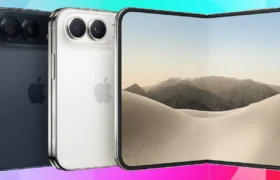
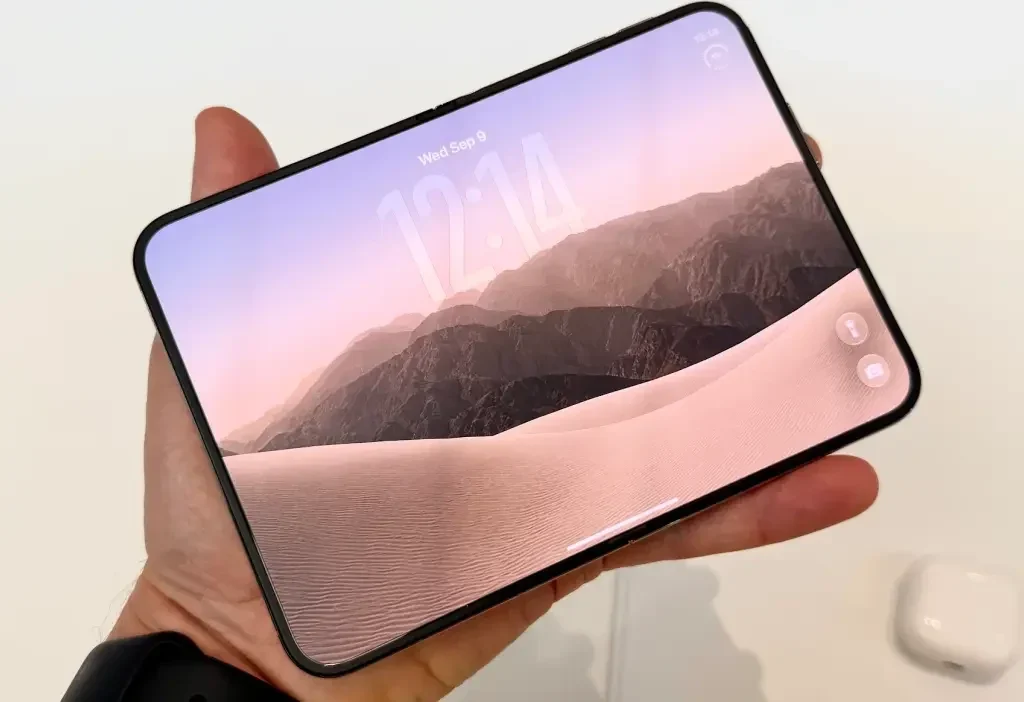
Fresh footage of the upcoming foldable reveals a shocking tactile flaw in the iPhone Duo display crease that could completely upend buyer confidence.
- Early hands-on testing shows the panel feels noticeably soft to the touch above the hinge mechanism.
- Applying direct finger pressure across the center creates temporary visible wrinkles on the surface layer.
- Supply chain insiders suggest Apple opted for variable-thickness Ultra-Thin Glass to eliminate visual seams.
- Out-of-warranty screen replacements without AppleCare Plus will reportedly set owners back a brutal $999.
Will everyday users tolerate a flexible panel that literally yields beneath their fingertips just to avoid an unsightly visual line?
Variable-thickness Ultra-Thin Glass refers to an ultra-thin glass substrate chemically tapered down to mere microns at the fold line.
While this specialized engineering eliminates the trough visible on rival panels, it removes structural rigidity precisely where users press most.
TechKomo Disclaimer: The details discussed below are based on early hands-on leaks, regulatory filings, and supply chain disclosures. Official consumer retail specifications and long-term durability metrics may vary prior to nationwide deliveries.
The Viral Hands-On Reveal
A new wave of hands-on video footage circulating across global social platforms has exposed an unexpected compromise.
Tech tipsters inspecting pre-release hardware noticed the central strip lacks standard structural backing beneath the folding radius.
Consequently, dragging a thumb across the unfolded 7.8-inch OLED screen exposes a mushy, compressible threshold.
Even more alarming, focused downward pressure creates temporary horizontal micro-wrinkles across the outer protective film.
Testers confirmed the identical sensation across multiple distinct production samples, verifying this is deliberate engineering rather than an isolated manufacturing defect.
Engineering Magic Or Structural Liability?
Engineers in Cupertino reportedly obsess over cosmetic perfection, demanding a nearly invisible iPhone Duo display crease.
To achieve zero visible dips, supply lines deployed a variable-thickness substrate that transitions from rigid borders to a flexible spine.
However, eliminating metallic support plates beneath the hinge leaves the inner display vulnerable to fingernail gouges and localized drops.
The material snaps back flat once pressure lifts, yet long-term cycling raises serious fatigue questions.
Frequent folding cycles create micro-stresses that could turn temporary wrinkling into permanent surface distortion over time.
Hardware Specifications & Repair Economics
Foldable flagships carry exorbitant ownership costs, and this unreleased handset pushes repair bills into unprecedented territory.
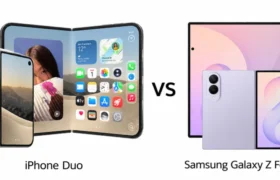
The official out-of-warranty screen swap costs $999 (€919 / £789), compared to just $419 (€385 / £330) for a Samsung Galaxy Z Fold 8 inner screen.
| Specification Component | iPhone Duo (Leaked Data) | Samsung Galaxy Z Fold 8 (Market Rival) |
|---|---|---|
| Primary Processor | Apple A20 Pro (2nm TSMC) | Snapdragon 8 Gen 5 Elite |
| Main Internal Display | 7.8-inch Variable UTG OLED (1-120Hz) | 7.6-inch Uniform Ultra-Thin Glass |
| Crease Visibility | Near 0% (Optically Flat) | 15% Shallow Indentation |
| Hinge Tactile Profile | Soft / Yielding Under Pressure | Rigid / Solid Backplate |
| Battery Capacity | 5,100mAh Dual-Cell Architecture | 4,800mAh Dual-Cell Architecture |
| Chassis Weight | 238g / 8.40 oz | 219g / 7.72 oz |
| Base Starting Price | $1,999 (€1,840 / £1,580) | $1,799 (€1,650 / £1,420) |
| Out-Of-Warranty Screen Repair | $999 (€919 / £789) | $419 (€385 / £330) |
Global distribution timing pins retail availability for 06:00 AM PT / 09:00 AM ET / 01:00 PM GMT on release day.
Market Impact Across The Industry
This tactical engineering trade-off directly challenges how rivals will market their future foldables over the next fiscal cycle.
Competitors like Samsung and Google have prioritized rigid durability at the expense of a stubborn visual groove.
By trading tactile rigidity for clean aesthetic optics, Apple forces consumers to choose between visual elegance and structural peace of mind.
Unfiltered Opinion
Buying a first-generation foldable is always a gamble, but paying $1,999 for a phone with a sponge-like display center is tough to justify.
Optically hiding the seam looks stunning in studio lighting, but your fingers interact with tactile reality every single hour.
Unless you budget an extra $299 for an extended AppleCare Plus warranty, this delicate panel represents a massive financial hazard.
Hold off until real-world torture tests prove this soft center can survive thousands of folds without buckling under pressure.
- K.K., Founder of TechKomo