Your next smartphone purchase might demand a severe premium, because the upcoming Samsung Galaxy S27 Ultra price hike is preparing to reset flagship pricing benchmarks for good.
- Next-generation silicon costs and proprietary M16 OLED panels are forcing a reported $100 to $200 price increase.
- A redesigned four-tier lineup introduces an intermediate Galaxy S27 Pro model, pushing the Ultra into ultra-premium territory.
- Advanced hardware upgrades include a 5,700mAh battery, 60W fast charging, and an improved 200MP ISOCELL primary sensor.
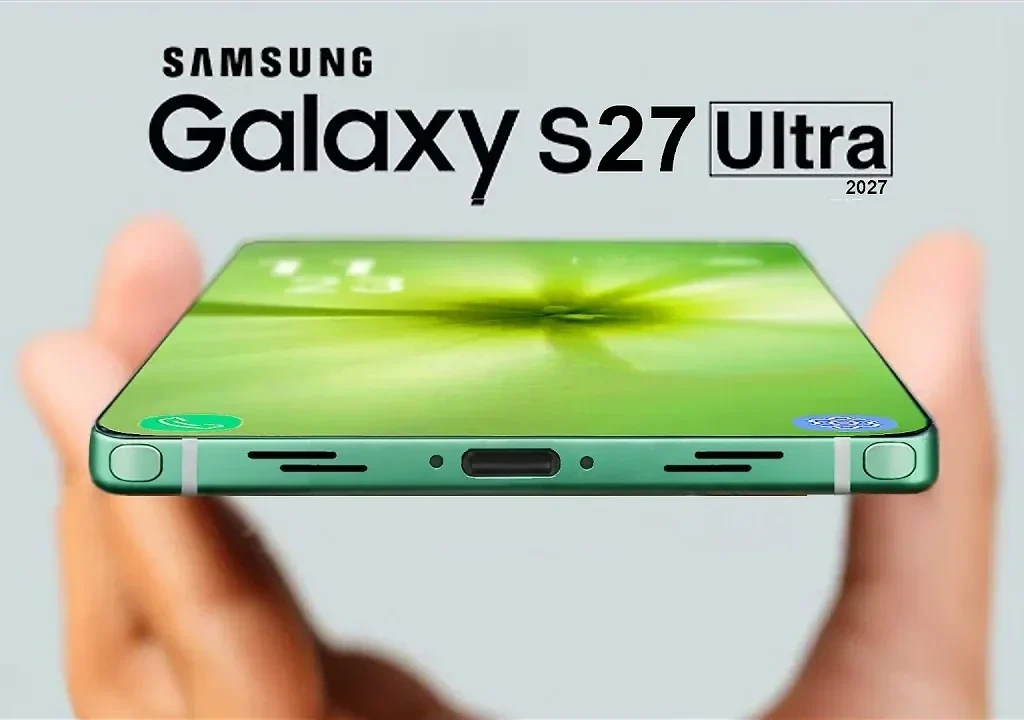
Are you prepared to pay laptop-tier prices for a mobile device that barely fits in your front pocket?
In simple terms, cutting-edge semiconductor fabrication is becoming exponentially expensive to print at miniature scale.
When component foundries raise their wafer fabrication rates, phone makers pass that bill directly down to consumer receipts.
Fresh supply chain disclosures reveal that the upcoming Ultra will ditch any cost-saving internal silicon compromises.
Every single global variant of the flagship is slated to ship exclusively with Qualcomm’s Snapdragon 8 Elite Extreme Gen 6 processor clocked at a blistering 5.0 GHz.
Meanwhile, the standard Galaxy S27, S27+, and newly planned S27 Pro will shoulder regional 2nm Exynos 2700 distributions.
Exclusive silicon licensing fees from Qualcomm are surging across the industry, squeezing profit margins dry.
Consequently, insider whispers suggest the Samsung Galaxy S27 Ultra price hike will land between $1,399 and $1,499 in the United States.
European buyers can expect base configurations to hover around €1,499 to €1,549, while United Kingdom consumers will likely see numbers climb past £1,299.
This shift marks a massive jump from the traditional $1,299 introductory tier that shoppers grew accustomed to over previous generations.
Beyond processing silicon, the hardware package demands premium fabrication expenses across every millimeter.
Display engineering reports point to a sprawling 6.9-inch Dynamic AMOLED 2X panel utilizing next-generation M16 luminescent material.
This advanced emissive stack delivers a peak brightness rating exceeding 3,000 nits while improving panel power efficiency by roughly 15%.
The panel also introduces native DC dimming and enhanced privacy display polarization to eliminate side-angle prying eyes.
Power delivery receives a long-overdue upgrade through a dense 5,700mAh battery module paired with 60W wired charging.
The chassis preserves its signature titanium frame and integrated S Pen stylus, resting at a substantial 219g (7.72 oz) in hand.
The expected international launch schedule targets early February with an official unveiling expected around 10:00 AM PT / 1:00 PM ET / 6:00 PM GMT.
| Key Specification | Leaked Hardware Details |
|---|---|
| Processor | Qualcomm Snapdragon 8 Elite Extreme Gen 6 (5.0 GHz, 2nm / 3nm node) |
| Display | 6.9-inch Dynamic AMOLED 2X, M16 OLED, 1-120Hz LTPO, 3,000 nits peak |
| Primary Camera | 200MP ISOCELL sensor (f/1.7, OIS) + 50MP 5x Periscope + 50MP Ultra-Wide |
| Battery & Charging | 5,700mAh capacity, 60W wired fast charging, 15W wireless |
| Base Configuration | 12GB RAM + 256GB UFS 4.1 Storage |
| Expected Price | $1,399 – $1,499 (US) / €1,499 – €1,549 (EU) / £1,299 (UK) |
However, hardware leaks remain subject to fine-tuning until mass assembly runs finalize later this winter.
Early engineering validation units showcase impressive thermal performance, yet consumer willingness to absorb higher pricing remains unproven.
Samsung is fundamentally re-architecting its mobile business model to widen the gap between standard users and power enthusiasts.
By sliding a new Pro tier into the lineup, the tech giant gives itself permission to transform the Ultra into an uncompromising luxury powerhouse that challenges top-tier competitors directly.
This deliberate price escalation tests brand loyalty in an era where incremental year-over-year gains are shrinking.
If you already own a capable recent flagship, fork-lifting another $1,400 out of your savings account for marginal gains feels like poor financial judgment.
Unless you depend on raw compute power for demanding mobile productivity, this generational step looks more like an engineering flex than a practical everyday upgrade.
- K.K., Founder of TechKomo