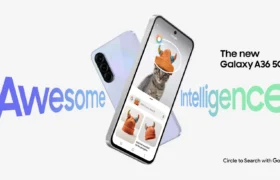
The long-standing rumor mill just erupted with reports that the Samsung Galaxy OS rebrand could permanently retire One UI after nearly a decade of dominance.
- Major Rebranding: Supply chain leaks point to Samsung dropping the One UI moniker in favor of Galaxy OS.
- Deep AI Rework: The upcoming interface reportedly shifts from standard skin tweaks to a system-level artificial intelligence core co-developed with Google.
- Target Launch Window: Early timeline indicators suggest a debut around mid-2027 on foldables or early 2028 alongside next-gen flagships.
- Underlying Foundation: The software will still run on Google’s Android base, targeting Android 18 rather than building a standalone proprietary platform.
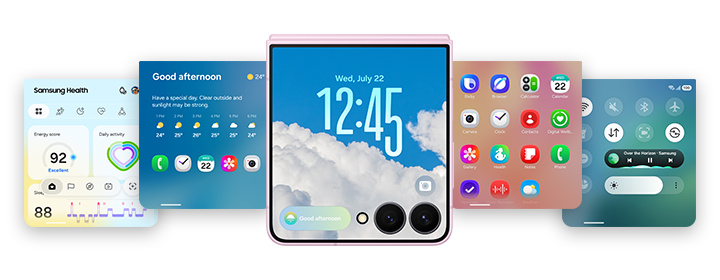
Will this dramatic rebranding genuinely fix mobile software clutter, or is Samsung simply borrowing marketing tactics from Apple?
In simple terms, an operating skin is merely a cosmetic costume draped over Android’s core engine.
A full system redesign means rebuilding how apps interact with internal memory and background processors from scratch.
TechKomo Disclaimer: The details discussed below are based on early industry leaks and supply chain rumors. Official branding and release roadmaps may change before commercial release.
The Death of One UI: Why Samsung Needs a Reset
Samsung introduced original One UI back in November 2018 to fix the bloated legacy of TouchWiz and Samsung Experience.
That original build prioritized one-handed reachability on taller screens.
Over the years, however, creeping feature sets have cluttered settings menus across millions of devices globally.
Now, prominent supply chain insiders reveal that engineers are working on an unprecedented software shift codenamed Galaxy OS.
The projected launch aligns with the tenth anniversary of the One UI branding.
Consequently, changing the name signals to consumers that Samsung hardware is entering an entirely new technological era.
System-Level AI: Rebuilding the Core with Google
This proposed overhaul is not just about a fresh coat of paint.
Instead, leaks highlight a fundamental architectural rework designed around generative computing.
Current mobile tools treat assistant widgets as isolated background apps.
In contrast, the Samsung Galaxy OS rebrand reportedly integrates predictive models straight into the system runtime.
Therefore, daily actions like cross-language live transcription, local photo editing, and task scheduling could occur without opening separate apps.
Industry insiders also report that Google engineers are actively collaborating on this lightweight runtime layer.
However, reports caution that high-compute services might eventually carry tiered subscription fees.
Potential Release Schedule and Leaked Specs
Early release schedules remain a fierce debate among tech analysts.
One reputable insider indicates early builds could debut in July 2027 at 10:00 AM PT / 1:00 PM ET / 17:00 GMT alongside next-generation foldables.
Meanwhile, competing reports suggest Samsung might hold the public release for a flagship slate in January 2028.
| Feature Metric | Current One UI Setup | Leaked Galaxy OS Platform |
|---|---|---|
| System Architecture | Standard Android Overlay Layer | Deep AI-Native Kernel Integration |
| Base Operating System | Android 15 / Android 16 | Android 18 Core Foundation |
| Branding Identity | One UI Numerical Series | Galaxy OS Unified Ecosystem |
| Primary Launch Window | Annual Q4 Global Rollout | Mid-2027 to Early 2028 |
| Est. Device Pricing | $799 / €899 / £799 Starting Flagship Baseline | Projected $899 / €999 / £899 Hardware Tier |
| Target Hardware Weight | Standard 198g / 6.98 oz Chassis | Sub-190g / 6.70 oz Optimized Form Factors |
The Ecosystem Trap: Catching Up to Cupertino
For years, Apple has leveraged the seamless appeal of iOS, macOS, and watchOS to lock users within its walled garden.
Similarly, adopting a unified OS title allows Samsung to bundle laptops, smartwatches, tablets, and phones under one cohesive software umbrella.
A cleaner brand identity helps eliminate confusion for casual shoppers buying across different hardware categories.
Furthermore, it establishes clear software parity in marketing campaigns against rival flagships worldwide.
Chinese competitors like Huawei and Xiaomi already unified their interfaces under proprietary HarmonyOS and HyperOS branding.
Thus, Samsung cannot afford to look like an outdated software distributor in a cutthroat market.
The Bigger Picture
This potential transition represents a massive shift in mobile platform strategy.
If Samsung successfully delivers an AI-first platform without breaking Android compatibility, it forces competitors like Google and OnePlus to radically accelerate their own interface updates.
Moreover, telecom carriers and third-party developers will face immense pressure to adapt their applications to Samsung’s new system primitives.
An Unfiltered Take on the Leaks
Slapping a shiny new name on an existing operating system is the oldest trick in the marketing playbook.
If the Samsung Galaxy OS rebrand merely rearranges quick-setting toggles and pushes paid AI subscriptions, long-time fans will see right through the gimmick.
However, if Samsung genuinely strips away background bloat and delivers real, instantaneous on-device processing, this shift could define mobile computing for the next decade.
Until concrete developer code surfaces, take every early benchmark with a healthy grain of salt.
- K.K., Founder of TechKomo