Your stolen phone might soon become completely useless to pickpockets thanks to the latest Android 17 theft protection update.
- Targeted Lock: Prevents unauthorized toggling of Wi-Fi, Bluetooth, mobile data, and Airplane Mode from the lock screen.
- Biometric Mandate: Forces fingerprint, facial unlock, or PIN entry before anyone can alter network parameters.
- Uninterrupted Tracking: Keeps the Find My Device network active even if bad actors snatch your phone.
- Smart Convenience: Retains quick access to harmless utilities like flashlight and battery saver without unlocking.
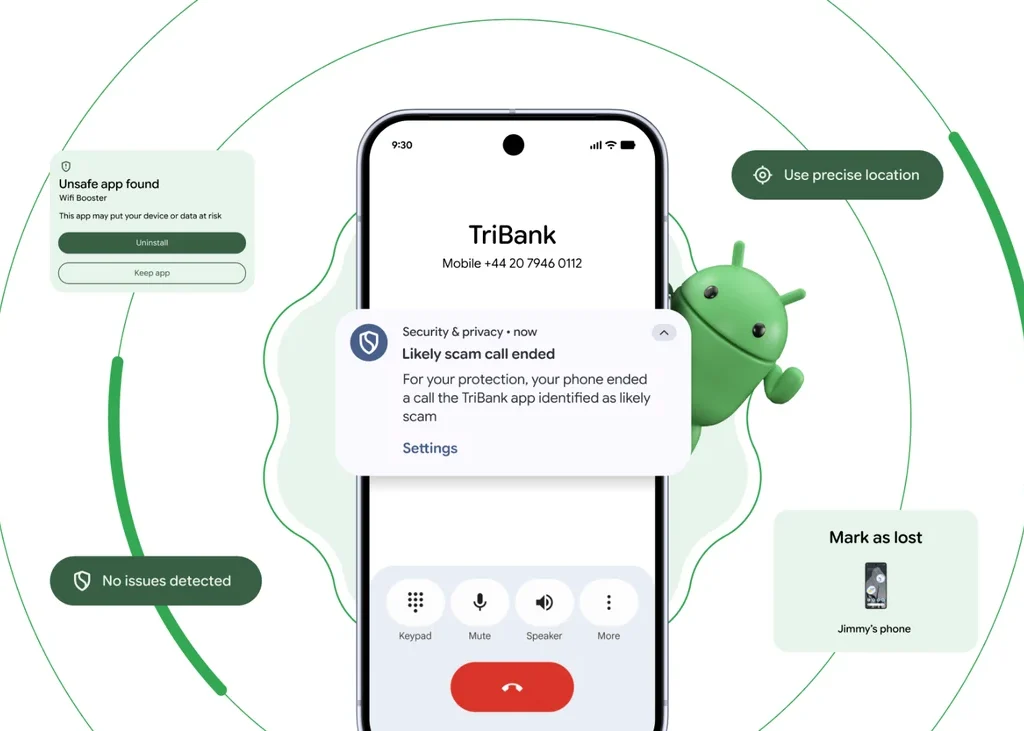
TechKomo Disclaimer: The features discussed below are actively rolling out across early developer preview and beta test builds. Final public rollout schedules and UI labels may vary across third-party OEM skins.
What good is an encrypted supercomputer in your pocket if a thief can sever its connection in under two seconds?
In practical terms, this safeguard plugs the classic quick settings loophole where criminals immediately enable Airplane Mode to blindside location tracking.
Why The Lock Screen Network Exploit Mattered
Street snatchers rely on speed above everything else.
Once an unauthenticated stranger grabs your device, their immediate reflex is swiping down the notification shade.
From there, tapping Airplane Mode or shutting off mobile data disconnects cellular towers and satellite beacons immediately.
That simple two-second action effectively disables the Find My Device network before you even realize your device went missing.
Consequently, victims get locked out of remote data wipe tools and real-time GPS tracking.
Earlier software versions allowed partial lock screen restrictions, yet critical toggles often remained exposed across stock builds.
Now, system-level architecture changes demand authentication before sensitive radio states change.
How The Android 17 Theft Protection Update Stops Criminals
Under this refined implementation, tapping network tiles on a locked screen surfaces a prompt requiring your biometric credentials.
Whether you rely on an optical sensor, ultrasonic reader, or PIN, the OS rejects the state change until your identity clears.
Specifically, the system isolates four core connectivity triggers behind hardware-backed security modules.
These protected toggles include Wi-Fi, Bluetooth, cellular data, and Airplane Mode.
However, everyday practical shortcuts remain immediately available to avoid degrading regular usability.
Users can still toggle the flashlight, auto-rotate, and battery saver without typing a passcode.
This balanced approach preserves day-to-day functionality while neutralizing the primary getaway playbook used by thieves.
| Feature Component | Legacy Android Behavior | Android 17 Implementation | Real-World Impact |
|---|---|---|---|
| Airplane Mode Toggle | Accessible directly from lock screen | Mandatory biometric or PIN authentication | Prevents instant tracking severance |
| Mobile Data & Wi-Fi | Freely switchable via Quick Settings | Enforced hardware authentication gate | Maintains active internet beacon |
| Find My Device Reliability | Vulnerable to instant lock screen cutoff | Stays persistently connected to crowd network | Boosts recovery odds dramatically |
| Harmless Tools Access | Standard lock screen access | Unrestricted (Flashlight, Torch, Rotation) | Preserves casual everyday convenience |
| Rollout Availability | Stock OS dependent | Pixel Beta Program (Global rollout pending) | Unified platform-level security |
Setting Up The Defense: A Seamless Verification Gate
Activating the feature requires navigating into device privacy configurations once the build reaches your handset.
Users can access the setting under the dedicated security dashboard or via lock screen display parameters.
Once you toggle the feature on, any lock screen attempt to silence mobile radios halts instantly.
The platform relies on the secure enclave to ensure background services keep broadcasting encrypted cryptographic pings.
Furthermore, these low-energy beacons continue interacting with surrounding hardware across the crowdsourced device network.
Even if an opportunistic thief powers through your commute, the digital breadcrumbs remain unbroken.
Testing across beta channels demonstrates zero latency penalties during regular biometric unlocking.
The Bigger Picture: Raising The Cost Of Device Theft
Smartphone snatching remains a lucrative black market trade across metropolitan centers worldwide, from London and São Paulo to San Francisco.
By closing this exploit, Google is directly neutralizing the physical attack surface that rivals like Apple tackled with Stolen Device Protection.
When a stolen handset cannot be disconnected from tracking or stripped for parts cleanly, the street value plummets.
This platform hardening shifts the burden entirely onto illicit actors, transforming mobile devices into traceable liabilities rather than quick cash.
Making The Lock Screen Bulletproof
For years, Android delivered unparalleled lock screen convenience at the expense of defensive vigilance.
Leaving network controls exposed without mandatory authentication was an unforced error that compromised countless users.
This defensive fix does not make your hardware indestructible, nor will it stop someone from shoving a handset into a Faraday pouch.
Yet closing this glaring blind spot strips away the easiest tactic street snatchers have exploited for over a decade.
It is a pragmatic, overdue layer of defense that genuinely respects real-world user safety.
- K.K., Founder of TechKomo