Samsung’s flagship has officially pulled off the unthinkable by killing off the stick-on screen filter forever, proving why the Galaxy S26 Ultra Privacy Display just landed on TIME’s prestigious list of the best inventions of 2026.
- Global Accolade: TIME officially recognized the device among 2026’s top breakthrough innovations specifically for its built-in, angle-blocking screen technology.
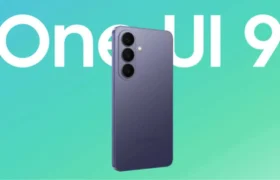
- Granular Protection: Users can selectively black out off-axis viewing for specific zones, like notification pop-ups or PIN entry windows, via One UI 8.5.
- Zero Accessories Needed: The hardware-level directional light control entirely eliminates the need for cheap, contrast-killing plastic privacy glass.
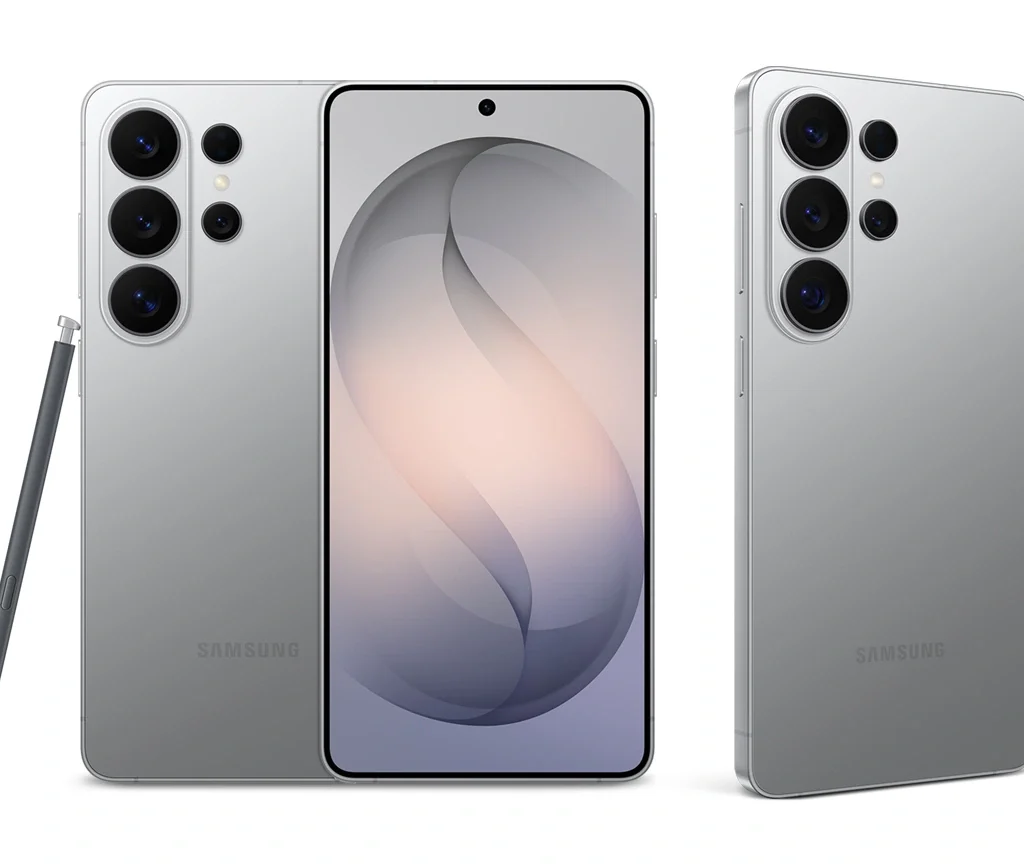
Could this smart hardware layer permanently redefine how billions of commuters and mobile banking users guard their digital lives in crowded spaces?
In basic terms, this panel uses directional light micro-louvers built straight into the sub-pixel layer to steer photons straight into your eyes while blinding anyone peeking from the side.
The Engineering Breakthrough Behind Built-In Screen Blinding
Traditional accessory screen protectors degrade panel vibrancy, cut down touch responsiveness, and trap annoying air bubbles.
Instead of slapping glue on glass, engineers embedded an active liquid-crystal shutter array directly over the 6.8-inch Dynamic AMOLED 2X panel.
Consequently, turning the feature on restricts horizontal viewing angles beyond 30 degrees instantly.
Industry testing confirms the display drops off-axis luminance by more than 92%, rendering text and photos pitch black to bystanders.
Meanwhile, the user sitting dead center enjoys uncompromised 3,000-nit peak brightness and seamless 120Hz refresh rates.
Furthermore, software hooks inside One UI 8.5 let the phone automatically trigger this directional shielding whenever banking applications open or passcodes are entered.
Hardware Prowess: Raw Specifications at a Glance
Underneath this breakthrough panel sits Samsung’s most refined mobile platform to date.
| Specification | Official Galaxy S26 Ultra Configuration |
|---|---|
| Processor | Snapdragon 8 Elite Gen 2 (3nm) / Exynos 2600 (Select Markets) |
| Display | 6.8-inch QHD+ Dynamic AMOLED 2X, 1-120Hz LTPO, Directional Privacy Layer |
| Peak Brightness | 3,000 nits (Direct Sunlight High-Brightness Mode) |
| Rear Cameras | 200MP Main (OIS, f/1.7) + 50MP Periscope (5x) + 50MP Telephoto (3x) + 50MP Ultra-Wide |
| Front Camera | 12MP Dual Pixel AF |
| Battery & Charging | 5,000mAh, 45W Wired, 15W Qi2 Magnetic Wireless |
| Dimensions & Weight | 162.3 x 79.0 x 8.4 mm, 219g (7.72 oz) |
| Global Pricing | $1,299 USD / €1,449 EUR / £1,249 GBP |
Real-World Limits and Daily Compromises
No first-generation display tech arrives without practical trade-offs.
Because directional micro-optics slightly bend light paths, off-axis color tinting can occasionally look warmer under harsh direct sunlight.
Similarly, sharing a funny vacation video side-by-side with a friend sitting next to you requires quickly turning the toggle off from Quick Settings.
Battery draw also ticks up marginally by roughly 4% to 6% during extended commutes when active directional filtering runs continuously.
Nevertheless, the convenience of tapping a digital button on an airplane or subway train utterly dwarfs carrying around physical tinted shields.
The Bigger Picture: Forcing Apple and Google to Catch Up
By securing a coveted spot on TIME’s Best Inventions list, Samsung proved that everyday utility beats flashy AI gimmicks every single time.
While rivals spend billions pushing generative cloud software, mobile privacy remains an urgent, physical pain point for millions of daily commuters worldwide.
Now, Cupertino and Mountain View face immense supply chain pressure to engineer competing directional OLED matrices for upcoming flagship cycles.
Unfiltered Opinion
Third-party privacy screen protectors have always been an absolute nightmare that ruined high-end smartphone displays.
Paying $1,299 for the market’s best mobile panel only to choke its clarity with a $10 polarized sticker was an absurd compromise.
The Galaxy S26 Ultra Privacy Display solves this annoyance with brilliant hardware execution, even if battery consumption takes a microscopic hit.
If you travel often or handle sensitive work on public transit, this single feature justifies the flagship upgrade far more than marginal camera zoom bumps.
- K.K., Founder of TechKomo