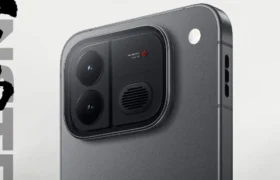
If you are currently questioning whether skipping the iPhone 18 Pro cycle is a wise move, wait until you hear about the seismic hardware shifts brewing for the subsequent generation.
- Apple is completely rethinking its hardware roadmap for the late-decade smartphone cycle.
- Industry supply chain checks point toward radical structural and internal redesigns arriving shortly after the iPhone 18 series.
- Skipping the current generation might save your wallet while landing you right in the middle of a massive technological leap.

Are you willing to hold onto your current daily driver for another twelve months to experience these rumored paradigm shifts?
Understanding these upcoming hardware cycles requires looking past standard annual spec bumps.
Major semiconductor transitions and optical housing overhauls take years of quiet factory preparation before hitting the consumer market.
Why the Next Wave Outshines the Current Cycle
The tech ecosystem moves fast, but foundational architecture upgrades happen only once every few years.
Current supply chain chatter indicates that the generation following the upcoming launch will introduce breakthroughs in power efficiency and display integration.
Insiders report that advanced thermal management solutions will finally debut to eliminate sustained performance throttling during heavy gaming sessions.
Battery density improvements are also slated to cross major thresholds thanks to newly adopted stacked cell manufacturing techniques.
You will likely see significant gains in endurance without manufacturers having to artificially bloat physical device thickness or weight.
What Rumors Reveal About the 2027 Hardware Blueprint
Production whispers suggest that under-display biometric sensors might finally make a credible commercial appearance.
Eliminating or drastically shrinking the dynamic island cutout remains a massive engineering priority Cupertino engineers are aggressively chasing.
Camera modules are projected to incorporate variable physical apertures alongside vastly expanded sensor sizes for professional-grade mobile cinematography.
Satellite connectivity features are also evolving past basic emergency text messaging toward native data relay capabilities.
| Core Specification | Projected 2027 Hardware Outlook |
|---|---|
| Processor Architecture | 2nm Node Chipset with Advanced Neural Engine |
| Display Technology | Seamless Under-Panel Face ID Integration |
| Battery Composition | Stacked Cell Silicon-Carbon Tech |
| Primary Camera | Variable Physical Aperture Lens System |
| Base Pricing | Starting around $999 USD / €1,199 / £1,099 |
Global release windows for these future devices traditionally point toward a mid-September unveiling schedule across North American, European, and Asian markets simultaneously.
Launch events typically kick off at 10:00 AM PT / 1:00 PM ET / 6:00 GMT straight from Apple Park in California.
The Bigger Picture and Competitive Pressure
Rivals in the Android ecosystem have already begun aggressively pushing foldable form factors and ultra-thin titanium chassis designs into mainstream circulation.
Apple cannot afford to rest on incremental processor upgrades while consumer upgrade cycles continue to stretch past three years.
By pausing your upgrade path today, you align your next purchase directly with a potential inflection point in mobile engineering.
The market rewards patience when structural architecture shifts from iterative refinement to wholesale reinvention.
Refusing to chase every yearly incremental release protects your investment and ensures your next smartphone purchase feels genuinely futuristic.
Sometimes the smartest purchasing decision you can make in the fast-moving tech world is simply sitting tight and watching the roadmap unfold.
- K.K., Founder of TechKomo